Growing Through a Water Crisis: How to Water Wisely Without Giving Up Your Garden
Water feels different when there isn’t enough of it.
It stops being background noise — the hose running, the tap filling a watering can, the sprinkler tick-tick-ticking away like it owns the place. Suddenly, it’s deliberate. Measured. And yeah, slightly uncomfortable.
And then gardening starts to feel indulgent. Like you’re being selfish while other people are rationing. There’s this tension, right? Between wanting to grow your own food and doing the right thing.
Here’s the truth: carelessness is the problem, not gardening.
The difference lies in understanding how water moves, how plants use it, and what they’re really asking for when they’re thirsty.
What plants are asking for
You know that thing where you water a little bit every day and feel like you’re being attentive and responsible and generous?
Yeah. Your plants are not impressed.
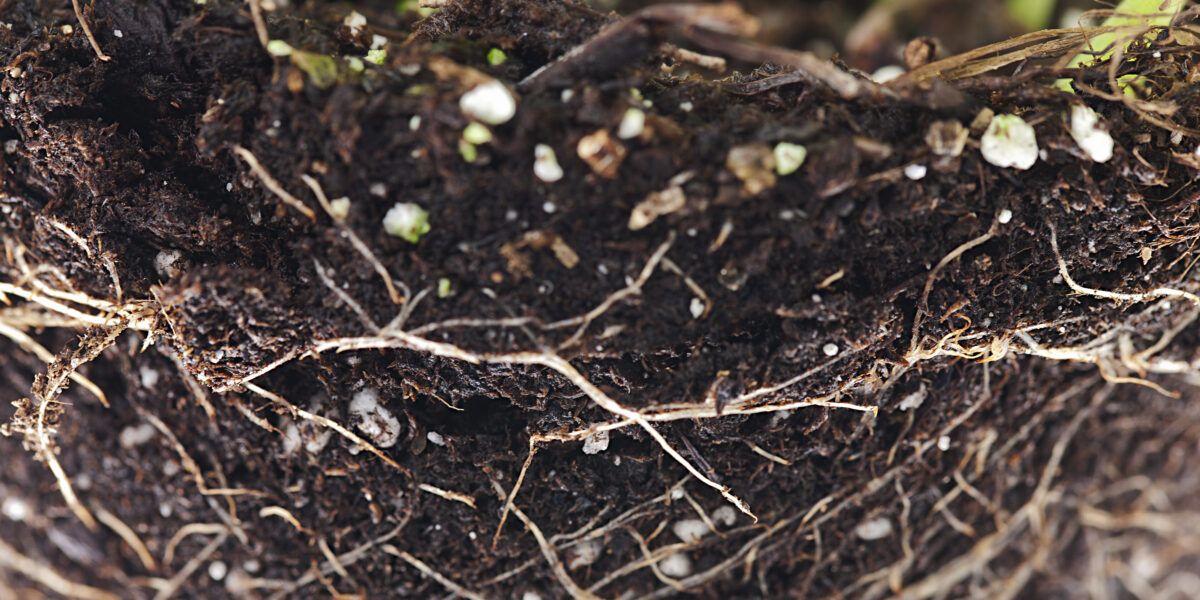
When you water lightly and often, roots stay near the soil surface where it’s warm, unstable, and where water evaporates fastest. Plants grown this way become needy. They panic at the first sign of dryness because they’ve never been asked to look deeper.
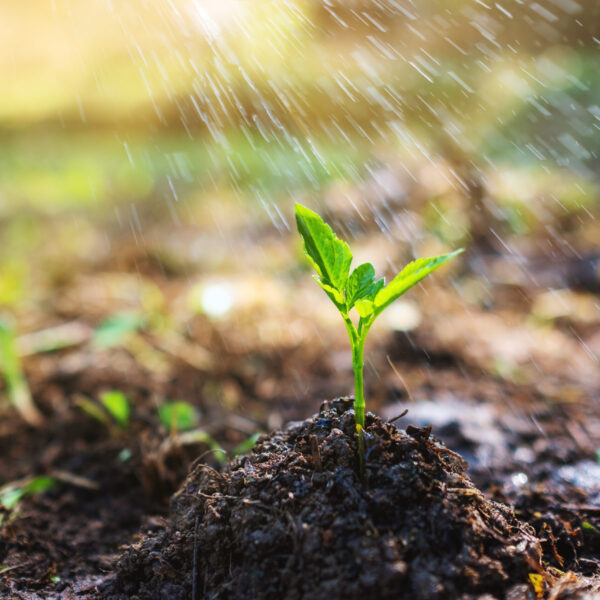
But when you water thoroughly — actually soak the soil — roots follow that water down. They grow deeper. They find stability. Over time, this creates plants that laugh in the face of dry spells instead of wilting after a day without you.
The paradox that should mess with your head: watering less often, but more deeply, usually means your plants need less water overall.
Let that sink in.
Soil is a bank account
You can obsess over volume — how much water you’re using — but that’s half the story.
What matters is whether your soil keeps that water or lets it disappear.
Soil packed with organic matter (compost, decomposed plant stuff) holds onto moisture. Water settles into the soil structure, available to roots over days, not hours.
Bare soil? That’s a sieve. Sun and wind pull water from the surface before plants get a chance to drink it all up.
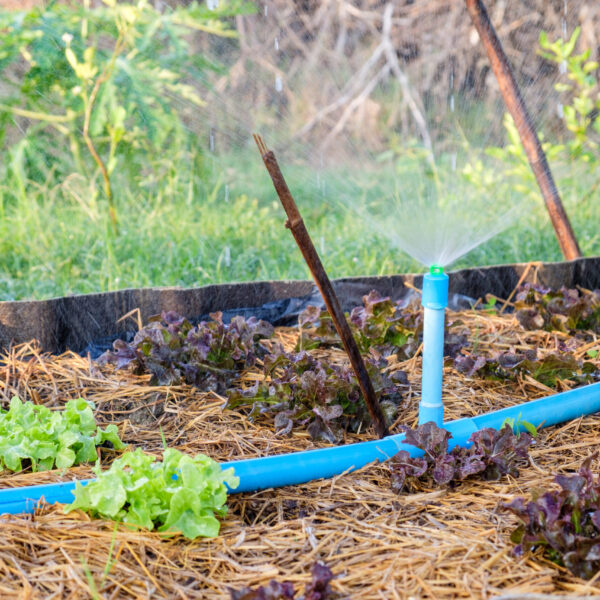
This is where mulch becomes your secret weapon. Straw, shredded leaves, dry grass clippings — whatever you’ve got. It insulates the soil, keeps it cooler, reduces evaporation, and suppresses weeds that are competing with your plants for the same limited water.
Not all vegetables are equally thirsty
Cool-weather crops
Lower temperatures = slower evaporation = plants that need less water overall.
Leafy crops like lettuce behave completely differently in mild weather than they do in summer heat. What needs watering daily in January can go longer between deep soakings in June.
Root crops like our Parisian Carrot and beetroot varieties are built for this. They grow slowly and steadily, which naturally keeps water demand down. And when you mulch them properly, they reach deep into soil that’s holding moisture.
Brassicas like Romanesco Cauliflower also thrive in cooler conditions. They need consistency when they’re babies, sure. But once they’re established, deep, spaced watering replaces all that fussy surface irrigation.
Cool-weather gardening rewards patience. The soil does half the work for you. Efficiency happens almost by accident.
Warm-weather crops
Yeah, temperatures rise and plants transpire more (leaves release water into the air). Soil dries faster. The margin for error gets smaller.
But warm-weather crops aren’t inherently water hogs. They’re adapted to periodic dryness.
Bumblebee Tomatoes invest heavily in root systems before they start producing fruit. Once established, they tolerate deeper watering intervals way better than people assume. Overwatering them actually produces weaker growth and flavour that tastes diluted.
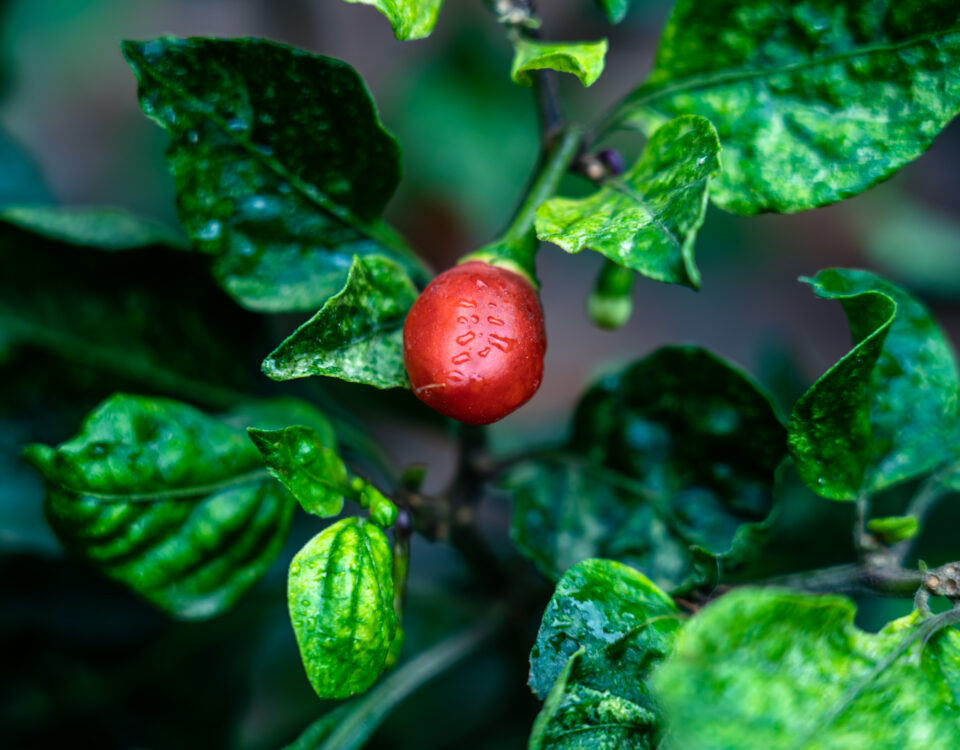
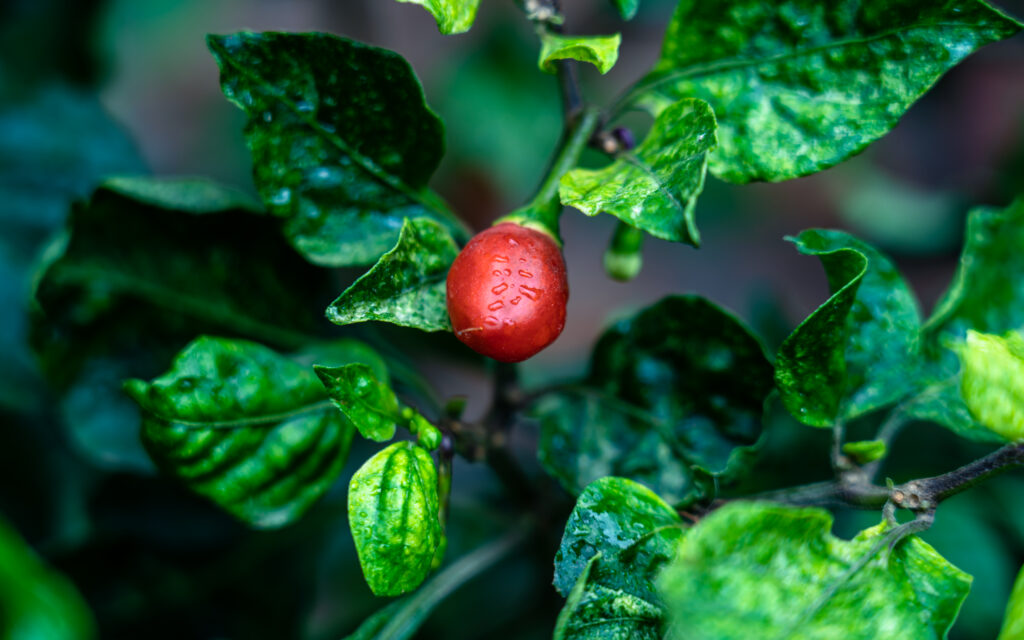
Peppers — whether it’s Shishito or Chinese Five Colour — develop surprisingly tough root structures. Water them thoroughly (not lightly and often), and they become genuinely adaptable to heat swings.
Early morning watering. Mulch. Soil that’s built to hold moisture. These are your levers.
Delivery matters
Sprinklers look efficient. They distribute water fast and visibly. But here’s what happens: a lot of that water evaporates before it even touches a plant root, especially when it’s warm or windy.
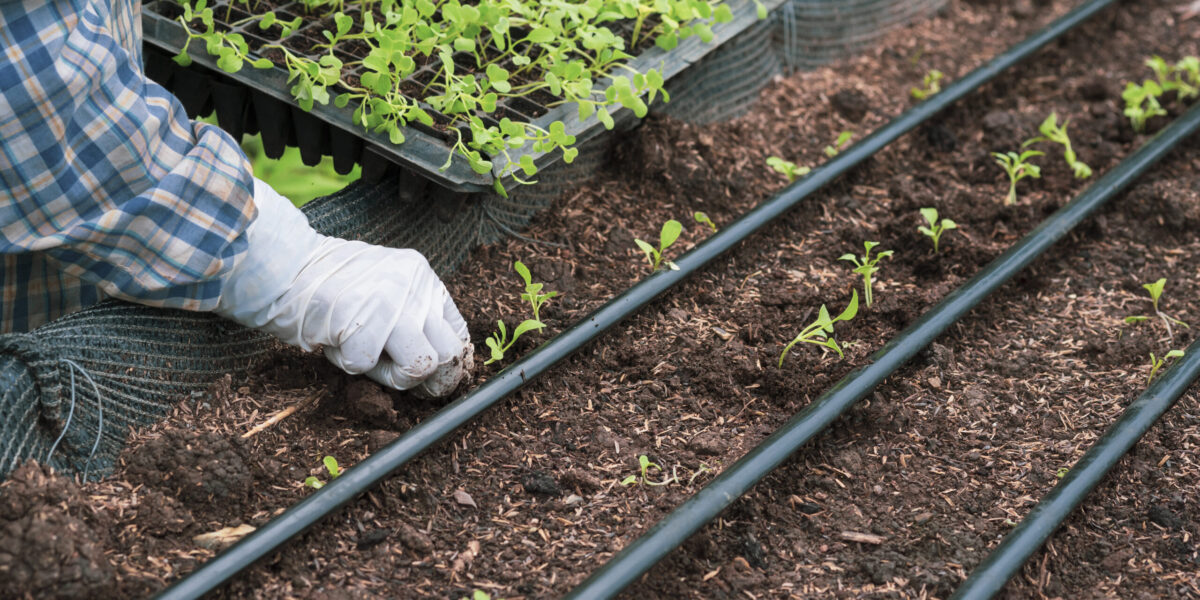
Water delivered slowly, close to the soil, is more effective. Drip systems — even simple gravity-fed setups — minimise evaporation and put water where roots can access it.
Timing compounds this. Early morning watering gives moisture time to settle before the heat kicks in. Midday watering? Half of it vanishes into the air before your plants see a drop.
Growing through scarcity
Here’s the distinction that matters: there’s a difference between abundance and excess.
A garden grown during a water crisis will look different from one grown in times of plenty. It might be smaller. More selective. More intentional. But it doesn’t have to disappear.
Growing some of your own food under careful water management is remarkably efficient. Scarcity forces precision. It makes you notice how water moves through soil, how plants respond, what stress actually looks like before things get dire.
The shift
Water-wise gardening is fundamentally about understanding. It asks you to water deeply instead of frequently. To build soil instead of chasing problems. To choose crops that make sense for the season. To observe before you react.
When you give plants conditions that work — carefully, conservatively, thoughtfully — gardens remain possible.
And maybe, oddly, they become more intentional than before.