There’s A Bacteria In Soil That Works Like An Antidepressant.
We’re Not Making This Up.
Here’s something that sounds like pseudo-wellness nonsense until you read the research: there is a bacterium commonly found in soil that activates the same brain pathways as Prozac.
Its name is Mycobacterium vaccae. It’s harmless. It’s probably already on your hands right now. And researchers at some of the world’s most respected universities have documented that it genuinely does something measurable to your brain chemistry.
This isn’t a theory. It’s not a supplement ad. It’s neuroscience that emerged from some very specific observations that got researchers asking the right questions.
How This Discovery Happened
In the early 2000s, researchers noticed something odd.
Cancer patients being treated with Mycobacterium vaccae unexpectedly reported increases in their quality of life. Not because the bacteria cured cancer — that wasn’t the point. But because something about the treatment seemed to shift their mood and resilience in ways researchers couldn’t initially explain.
This caught the attention of Dr. Chris Lowry and his team at the University of Bristol. They reasoned that this effect could be caused by activation of neurons in the brain that contained serotonin.
So they tested it. In mice.
What The Research Found
When the team looked closely at the brains of mice, they found that treatment with M. vaccae activated a group of neurons that produce the brain chemical serotonin. Specifically, a particular group of brain neurons in the interfascicular part of the dorsal raphe nucleus — a region involved in mood regulation.
This is the exact same mechanism that antidepressant medications target.
Treatment with M. vaccae led to antidepressant-like behavioural responses in the mice. They were less anxious. They handled stress better. Their behaviour shifted in measurable ways.
And then — this is important — later studies found that ingestion of live M. vaccae may stimulate serotonin production through immunological mechanisms, and that ingested M. vaccae may upregulate serotonergic neurons that modulate stress-responsive behaviors.
Translation: you don’t only absorb it through skin contact. You can literally eat it. It still works.
Is this proven in humans yet? Not with the same definitiveness as the mouse research. But here’s what we know about humans and gardens:
The Cortisol Connection (This Part Is Very Well Established)
While the M. vaccae research is still emerging in human trials, something else is rock solid: gardening itself reduces cortisol, the body’s primary stress hormone.
Research published in the Journal of Health Psychology reveals that therapeutic gardening significantly reduces cortisol levels — our body’s primary stress hormone — within just 30 minutes of gardening activity. And a study from the University of Colorado found that people who gardened for 30 minutes twice a week showed lower cortisol levels and stronger focus than those who stayed indoors.
The mechanism isn’t just psychological. Sunlight exposure regulates circadian rhythms and supports serotonin synthesis. Vitamin D production also plays a role in mood stabilization. Physical movement during gardening functions as moderate exercise. And the sensory experience of soil, scent, and texture has grounding effects.
But the M. vaccae piece? That’s the bonus round.
A landmark meta-analysis published in Preventive Medicine Reports reviewed 22 studies and found that gardening produced significant reductions in depression, anxiety, and body mass index, alongside meaningful increases in life satisfaction, quality of life, and sense of community.
What This Means In Human Terms
You’re not going to garden once and fix depression. This isn’t a replacement for therapy or medication. The research doesn’t claim that.
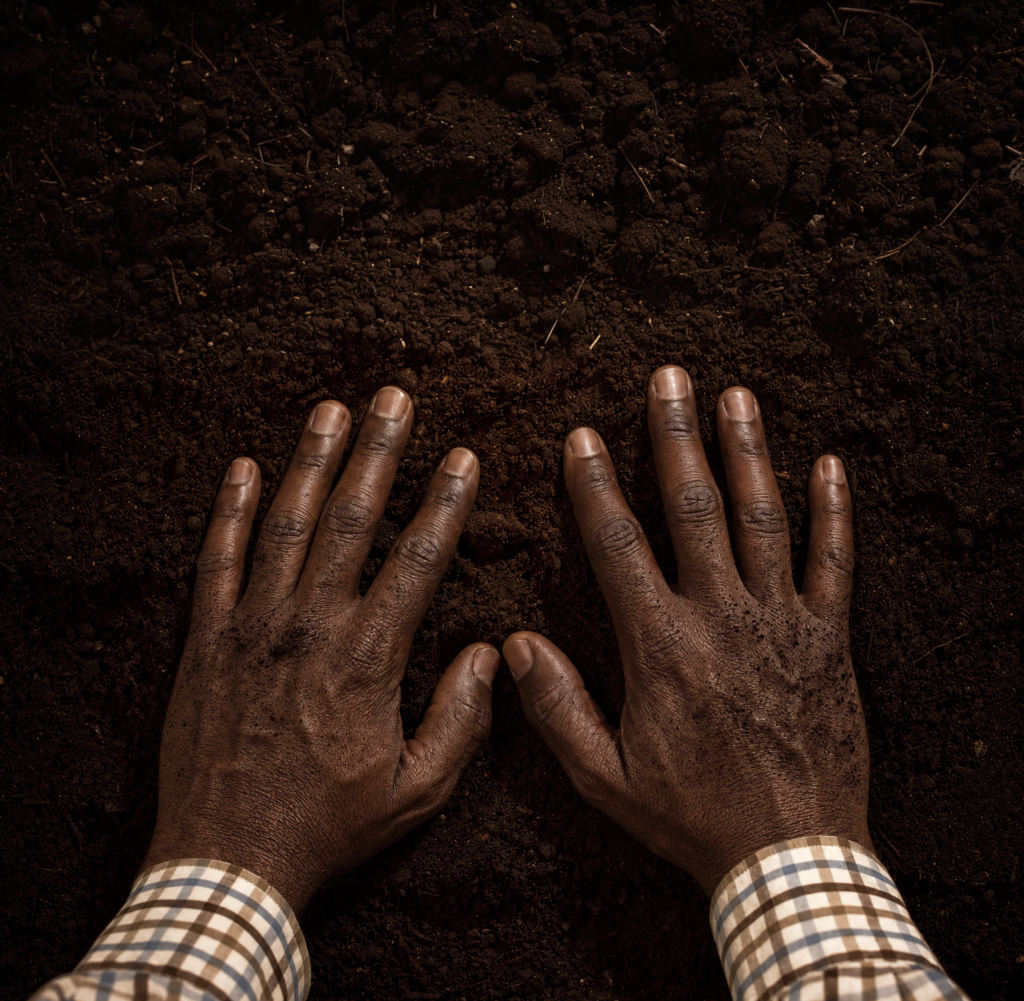
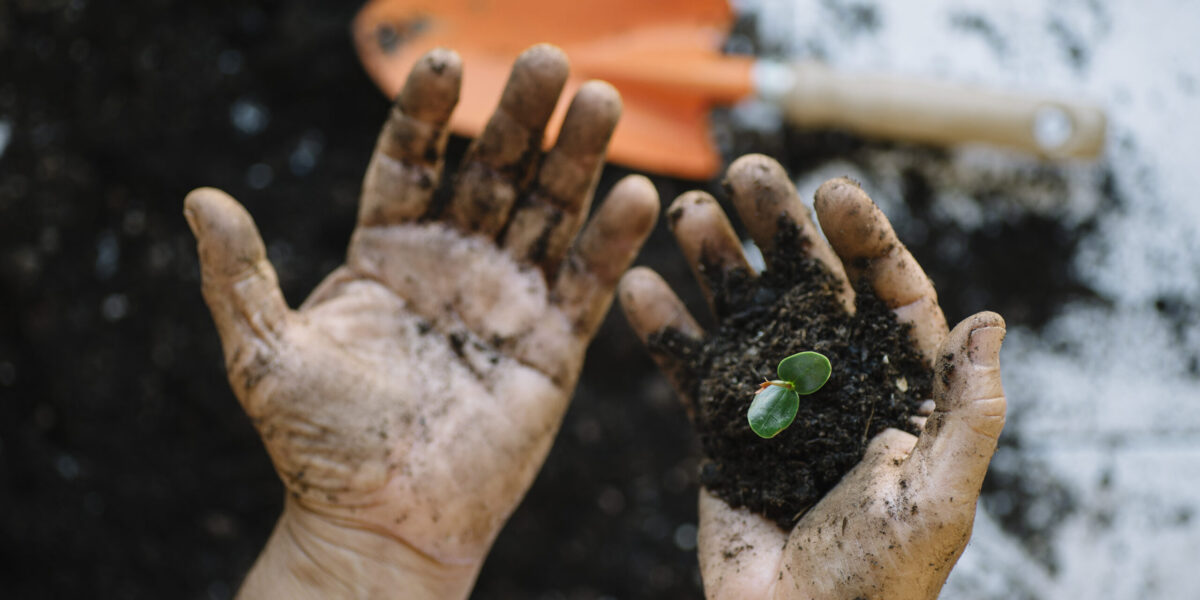
But what the research does say is this: the act of getting your hands in soil — where Mycobacterium vaccae lives — creates a cascade of neurochemical changes. Your immune system talks to your brain. Your bacteria-exposed immune system tells your brain to make serotonin. Your hands in the dirt activate stress-reduction pathways. Your cortisol drops. Your mood shifts.
It’s not magic. It’s biology that’s been unfolding in humans for millennia, and we’re only now understanding the mechanism.
The research left scientists “wondering if we shouldn’t all be spending more time playing in the dirt”, as Dr. Lowry noted.
The Practical Takeaway
You don’t need pristine conditions or scientific purity to benefit from this. Even 20 to 30 minutes of gardening several times per week is sufficient to produce measurable reductions in cortisol and improvements in self-reported well-being.
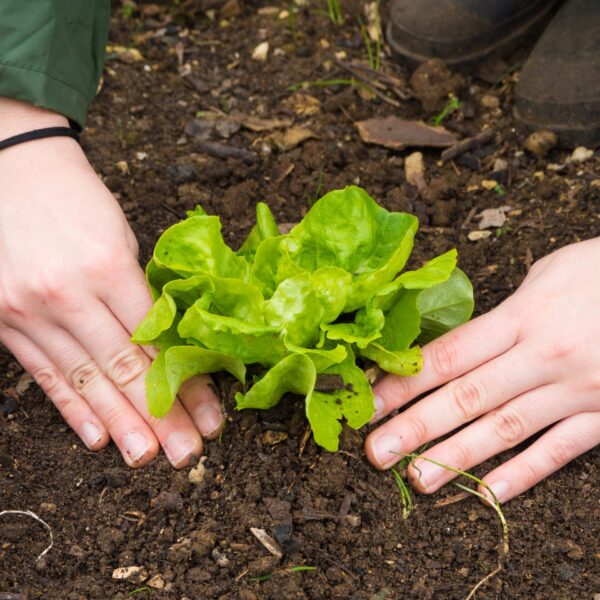
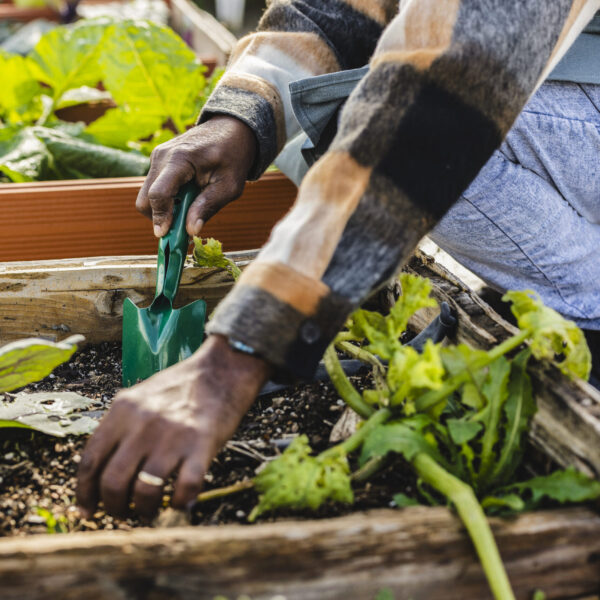
Container gardening counts. A windowsill herb garden counts. Getting your hands dirty counts.
The bacteria doesn’t care if your setup is Instagram-worthy. It’s in soil. It’s in compost. It’s been activating human brains for as long as humans have been gardening.
You’re not “just” getting therapeutic benefits from the act of gardening. You’re literally inoculating yourself with a bacterium that your immune system recognizes as safe — and then your brain responds by producing the same neurochemicals as pharmaceutical antidepressants.
Sources & Further Reading
Primary Research:
Lowry et al., 2007 — University of Bristol study on Mycobacterium vaccae and serotonin activation: https://www.bristol.ac.uk/news/2007/11797584419.html
Lowry et al., 2013 — Ingestion of Mycobacterium vaccae decreases anxiety-related behavior and improves learning in mice: https://www.researchgate.net/publication/235775776_Ingestion_of_Mycobacterium_vaccae_decreases_anxiety-related_behavior_and_improves_learning_in_mice
Gardening & Mental Health Research:
RANG Study — Reducing Anxiety with Nature and Gardening: Evaluating the Impacts of Gardening and Outdoor Activities on Anxiety among U.S. Adults during the COVID-19 Pandemic: https://www.ncbi.nlm.nih.gov/pmc/articles/PMC9100102/
Journal of Health Psychology — Therapeutic Gardening and Cortisol Reduction: Research demonstrating cortisol reduction within 30 minutes of gardening
Meta-analysis in Preventive Medicine Reports — 22 studies on gardening and mental health outcomes
The Point
Getting dirty isn’t good for your soul. There’s a bacterium in that dirt that your brain recognizes as an ally. Your immune system activates. Your brain makes serotonin. Your cortisol drops. Your mood improves.
This is why gardeners have always said their patch is their happy place. They were right. They just didn’t know the neuroscience yet.