Vegetables That Are Banned, Restricted, or Mildly Illegal Somewhere on Earth
It’s easy to assume that growing vegetables is universally encouraged. Universal common sense, right? Grow your own food, cut costs, eat fresh, everybody wins.
And yet.
Somewhere on Earth, a vegetable you can legally buy at the farmer’s market is banned from being grown in someone’s backyard. Somewhere else, a leafy green that’s a staple dinner ingredient is classified as an invasive species. And in at least one jurisdiction, people have been fined for growing certain vegetables without municipal approval.
Here are five vegetables with strange legal stories attached to them.
01. Carolina Reaper (and other superhot chillies)
The story:
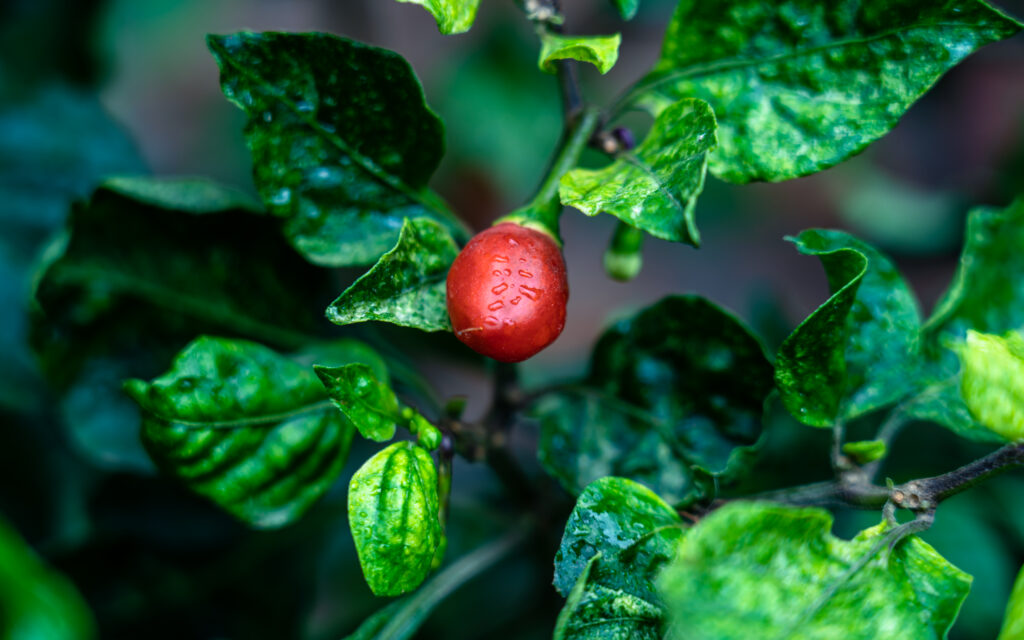
If you’re familiar with hot sauce enthusiasts or extreme-eating challenges, you know the Carolina Reaper. It sits around 2.2 million Scoville units — roughly 400 times hotter than a jalapeño. It’s so hot that it occasionally makes the news when someone eats one and ends up in hospital.
Here’s where it gets weird: because of its extreme capsaicin concentration, a handful of places have started treating superhot peppers as restricted substances or — in the most theatrical interpretation — as weapons. In 2016, a British man was actually arrested for growing Carolina Reapers, with the police treating them as drug precursors (capsaicin extraction being a thing some people attempt, albeit illegally).
In the US military, pepper spray derivatives have led some jurisdictions to flag extreme-heat varieties for regulatory review, though actual bans are rare. The practical reality is murkier than the headlines suggest, but the category exists: “peppers so hot the government is sort of paying attention.”
The RAW angle:
We sell both Carolina Reaper and Trinidad Scorpion — two of the world’s hottest peppers. Growing them is completely legal in South Africa. Eating them, however, remains entirely your own risk assessment. 🌶️
02. Water Spinach (Kangkong)
The story:
Water spinach — also called kangkong (Ipomoea Aquatica), ong choy, or morning glory — is a staple vegetable across Southeast Asia, South Asia, and increasingly in African cuisines. It’s nutritious, grows fast, and thrives in wet conditions. It’s also delicious.
It’s also banned from cultivation in several US states (Florida, Louisiana, and California chief among them) because it’s classified as an invasive aquatic species. Once it’s in a waterway, it’s nearly impossible to control — it spreads aggressively, clogs irrigation systems, and outcompetes native vegetation.
The absurdity: you can buy frozen water spinach imported from Asia in US supermarkets. You just can’t grow it yourself. It’s legal to eat; illegal to cultivate. A situation that makes perfect sense from an invasive species perspective and makes absolutely no sense if you’re just trying to grow dinner.
The RAW angle:
We don’t currently stock water spinach — and honestly, we’d like to. But we can’t, because of the high risk of invasiveness. It’s a perfect example of how geography changes what’s actually considered “gardening”. What’s basic nutrition in one country is ecological enemy number one in another. Sometimes being responsible means not stocking something, no matter how good it is.
03. Rhubarb Leaves
The story:
This one’s closer to home than you might think.
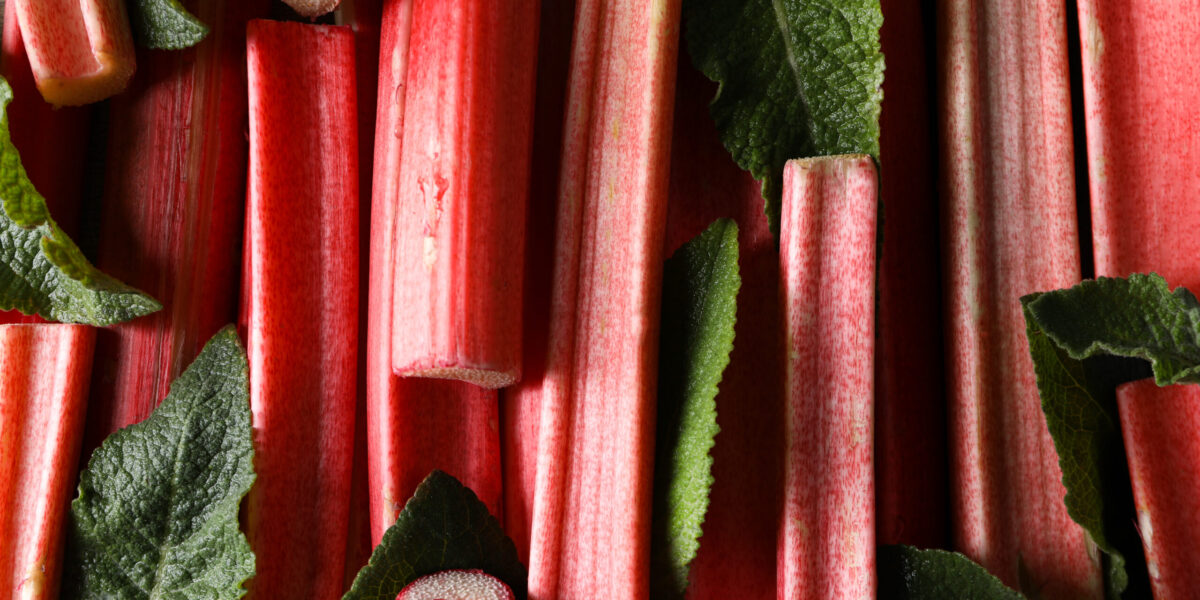
Rhubarb itself — the pink, tart stalk you use in desserts — is completely legal and encouraged. But the leaves? The big green parts that come with the plant?
Many regions restrict the sale of rhubarb leaves because of their oxalic acid content. Oxalic acid, in sufficient quantities, can cause kidney stones and interfere with calcium absorption. You’d need to eat an enormous amount to actually poison yourself, but the restriction exists nonetheless. Some countries classify rhubarb leaves as a controlled food ingredient. Others simply advise against sale without a health warning.
Home gardeners usually just compost them or ignore the restriction — the leaves are rarely the part anyone’s interested in. But technically, if you grew rhubarb commercially, you might not be allowed to sell the whole plant.
The RAW angle:
Another reason to be grateful we focus on vegetables bred for actual eating rather than just regulation-navigation.
04. The Extreme Ends of the Spectrum
The story:
For context’s sake, there exist vegetables bred for purposes that have nothing to do with nutrition — coca plants and khat among them, cultivated in certain regions for non-culinary purposes and controlled under various drug laws globally.
This isn’t a how-to. It’s just worth knowing that “vegetables” encompasses a far wider spectrum than most people realize, and some of that spectrum is tightly regulated.
We mention it here mainly because it’s the logical endpoint of “what if a vegetable became restricted?” — and the answer is that it absolutely can, depending on what it’s used for and where you are on Earth.
The RAW angle:
None. Just context. We grow food vegetables. Fully legal everywhere we sell.
05. Front-Yard Vegetable Gardens (A South African Twist)
The story:
You might think growing vegetables in your front garden is universally endorsed — until you discover that several South African municipalities have had explicit by-laws against it.
The reasoning? Aesthetics. Vegetable patches were deemed “unsightly” by municipal planning departments, which historically preferred neat lawns and ornamental gardens in visible frontages. A few specific towns enforced these regulations, fining homeowners for the audacity of growing food where neighbours could see it.
This isn’t unique to South Africa. In Miami Shores, Florida, a similar ordinance was enforced for decades before being repealed in 2020 — a homeowner was literally prosecuted for growing vegetables in her front garden.
The shift is happening: municipal attitudes are slowly changing, with cities recognizing urban food production as legitimate land use. But the reminder is stark: growing vegetables, in some places, was literally against the law.
The RAW angle:
This is why we exist. Because food gardening — growing weird, colourful, flavourful vegetables in your actual living space — should never be contingent on municipal approval. Your patch is yours. Grow what you want in it.
The Point.
Most of these restrictions exist for reasons that made sense at the time (invasive species control, public health, municipal aesthetics). Some of them still make sense. Others are just legal quirks that nobody’s bothered to update.
But they all point to the same thing: growing vegetables isn’t universally as simple as planting a seed. Geography, regulation, and local weirdness all play a role.
The good news? In South Africa, growing your own food — even the strange, spicy, or slightly controversial varieties — is legal. Your garden is yours. Your seeds are yours. What you grow in them is, mostly, your business.
So grow the Carolina Reaper if you want to test your tolerance. Grow the dinosaur kale if you want your neighbours wondering what you’re farming. Grow the heirloom tomatoes that don’t fit neatly into municipal regulations about what vegetables “should” look like.
Because the best vegetables are always the ones nobody told you were illegal to want.