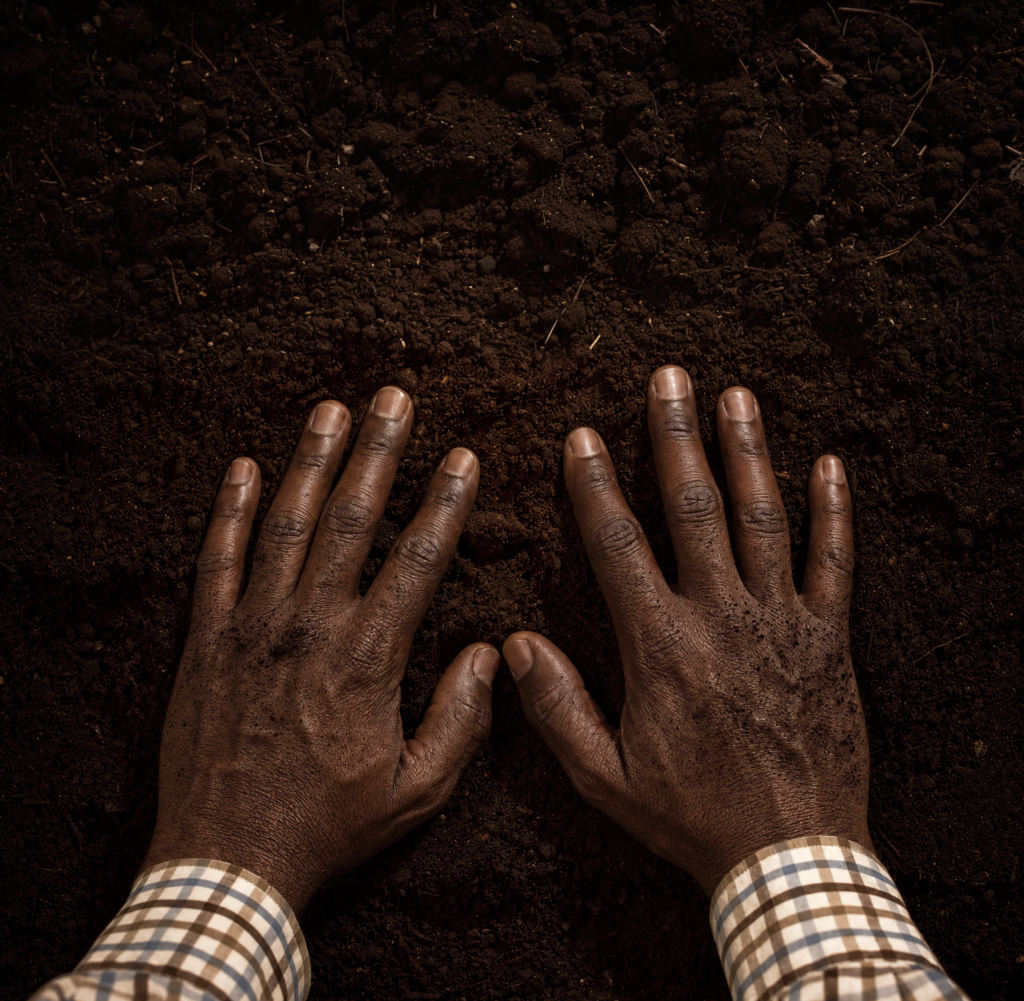
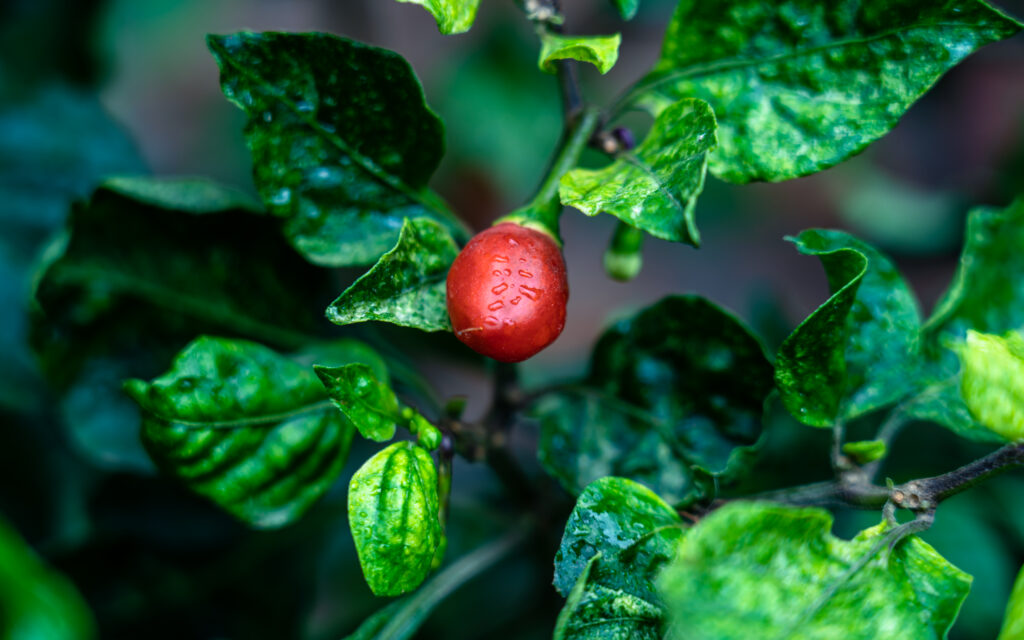
Start Where You Are: Growing Food in Small Spaces
You want to grow something.
Not a whole farm.
Not even a perfect vegetable patch.
Just… something.
But when you look around, you don’t see neat beds or a rolling homestead. You see, a windowsill that gets decent morning light. A stoep that warms up in the afternoon. A balcony with a railing begging to be hung on (maybe not by a human). A sunny wall that feels like wasted space.
And the question creeps in, quietly but persistently:
Can anything really grow here?
Yes. More than you think.
Gardens aren’t defined by size, but by opportunity. Plants don’t care whether they’re rooted in the ground or growing from a container, a trough, a window box, or something hung against a wall. What they care about is light, water, soil, and a little consistency. If you can offer those things, even in a small, awkward, borrowed space, you’re gardening.
Think in surfaces, not square metres
The mistake most people make is thinking only in terms of floor area. But small-space gardening works best when you shift your focus to surfaces — anywhere light lands and plants can be supported.
Pay attention to how the sun moves across your space during the day. A wall that feels insignificant in the morning may hold warmth in the afternoon. A narrow corner might get just enough light for part of the day to support leafy growth. A windowsill that looks decorative suddenly becomes functional when you notice it gets consistent sun.
Once you start seeing surfaces as space, your garden creeps and grows.
When floor space runs out, grow up
When we run out of floor space, we go up, and it often works better.
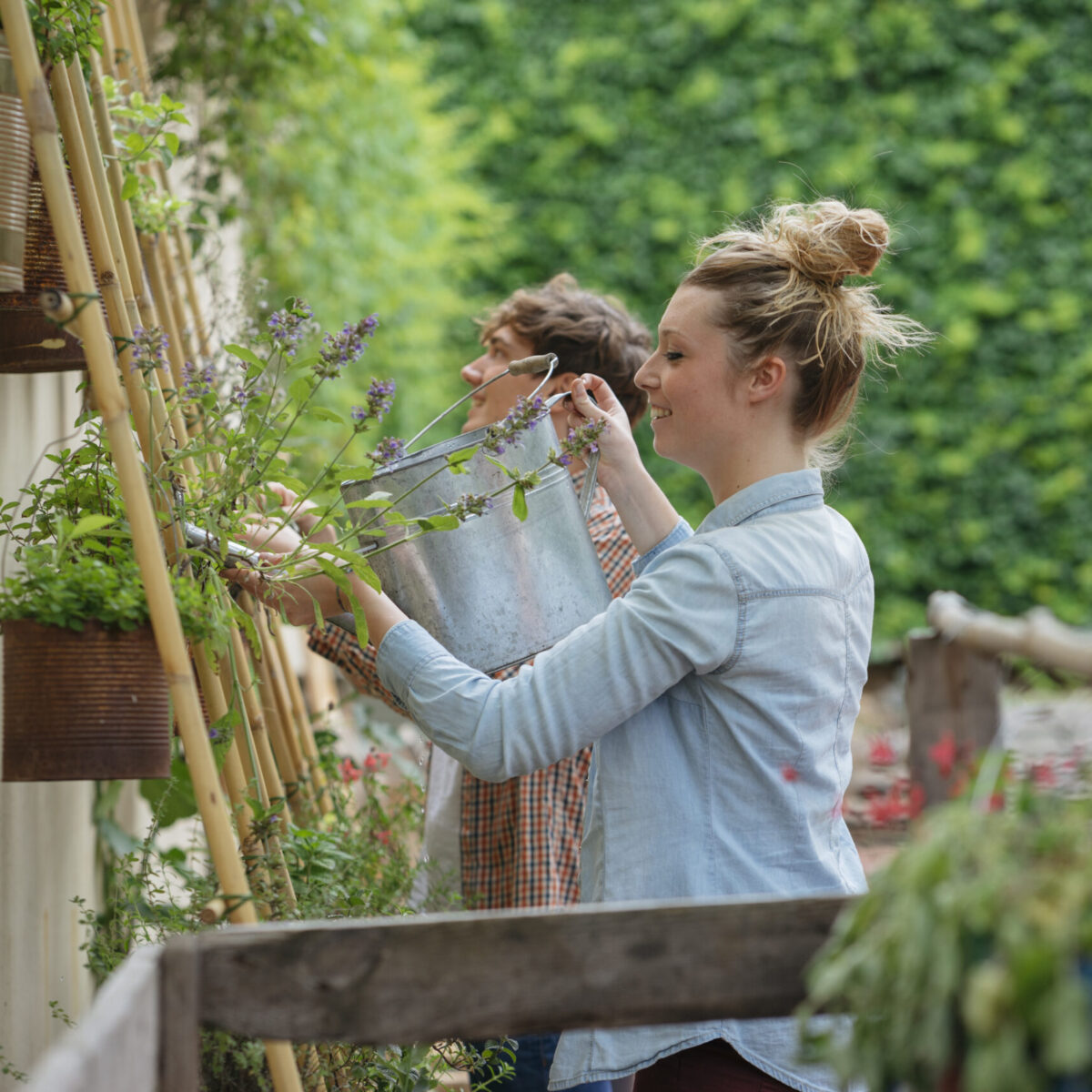
Walls, railings, and vertical surfaces are often the most overlooked growing areas. A bare wall that receives even a few hours of sun can support more productive plants than a shaded corner on the ground.
Fabric pocket planters, stacked systems, or securely mounted individual pots make this approach accessible and allow you to grow herbs, leafy greens, and compact plants at eye level. Because you can see when the soil is dry, when growth is strong, and when harvesting is due, without crouching or guessing, this makes your daily care easier.
Walls also store warmth, creating small microclimates that plants benefit from, particularly in variable weather. So, instead of waiting to find “the right piece” of art for that wall that’s been bare for years, grow it.
Windowsills work because they’re part of your day
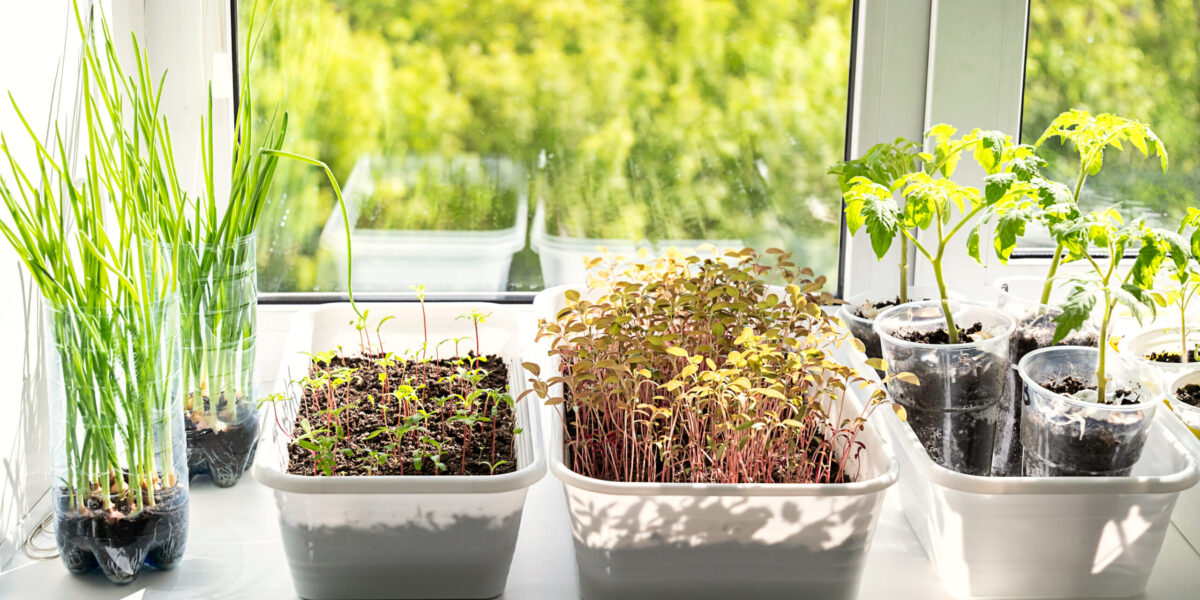
Windowsills succeed as growing spaces for a simple reason: they’re visible.
A sunny sill offers warmth, light, and constant proximity, three things plants rely on. Herbs and greens that don’t require deep soil thrive here because the space is particularly easy to care for. You notice when the soil dries out. You remember to harvest. You respond quickly when something changes.
Growing indoors or close to living spaces also changes the relationship you have with your plants. They become part of your routine rather than a task you have to remember. In small-space gardening, that closeness often matters more than size.
Stoeps and balconies create natural growing pockets
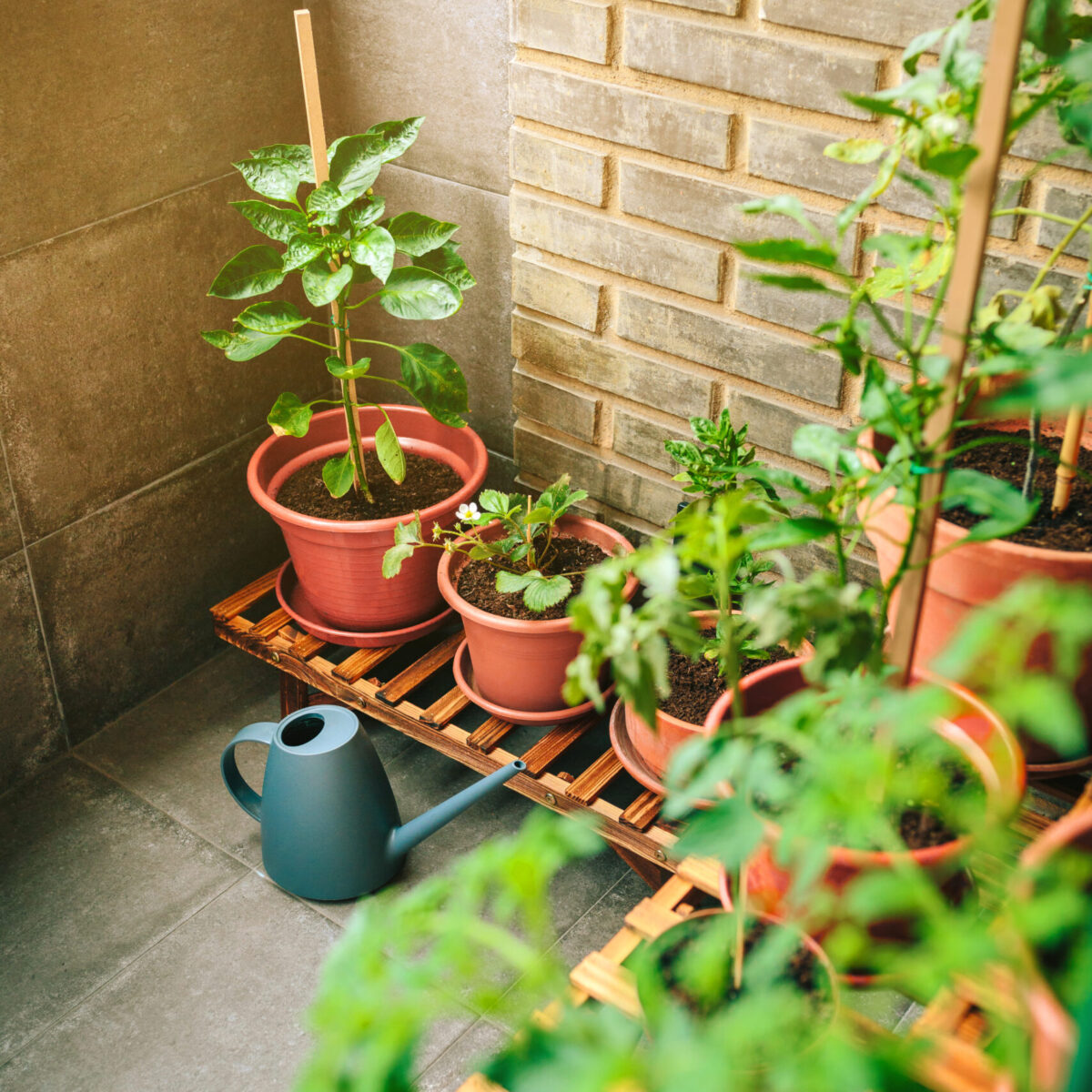
Stoeps and balconies often provide conditions that open ground doesn’t: shelter, warmth, and protection from wind or heavy rain. These micro-environments can make a noticeable difference to plant health, especially in unpredictable weather.
They also allow you to raise plants to a comfortable working height, a detail that makes gardening sustainable over time. When plants are easy to reach, care becomes consistent. When care is consistent, plants thrive.
Gardening should adapt to your body and your space, not demand that you adapt to it.
A practical note on DIY vertical hydroponics
For gardeners working with very limited space, or those curious to experiment, simple DIY vertical hydroponic systems can be an effective option.
These setups — often made from stacked containers, vertical pipes, or wall-mounted channels — circulate water and nutrients directly to plant roots. They’re particularly well-suited to leafy greens and herbs, use very little space, and can be placed in that empty corner of your room.
You don’t need to get it right
Small-space gardening has a way of teaching quickly and gently.
Some plants will thrive. Others won’t. You learn which surfaces hold heat, which areas dry out faster, and which plants suit your particular conditions.
Gardening is less about control than it is about paying attention.
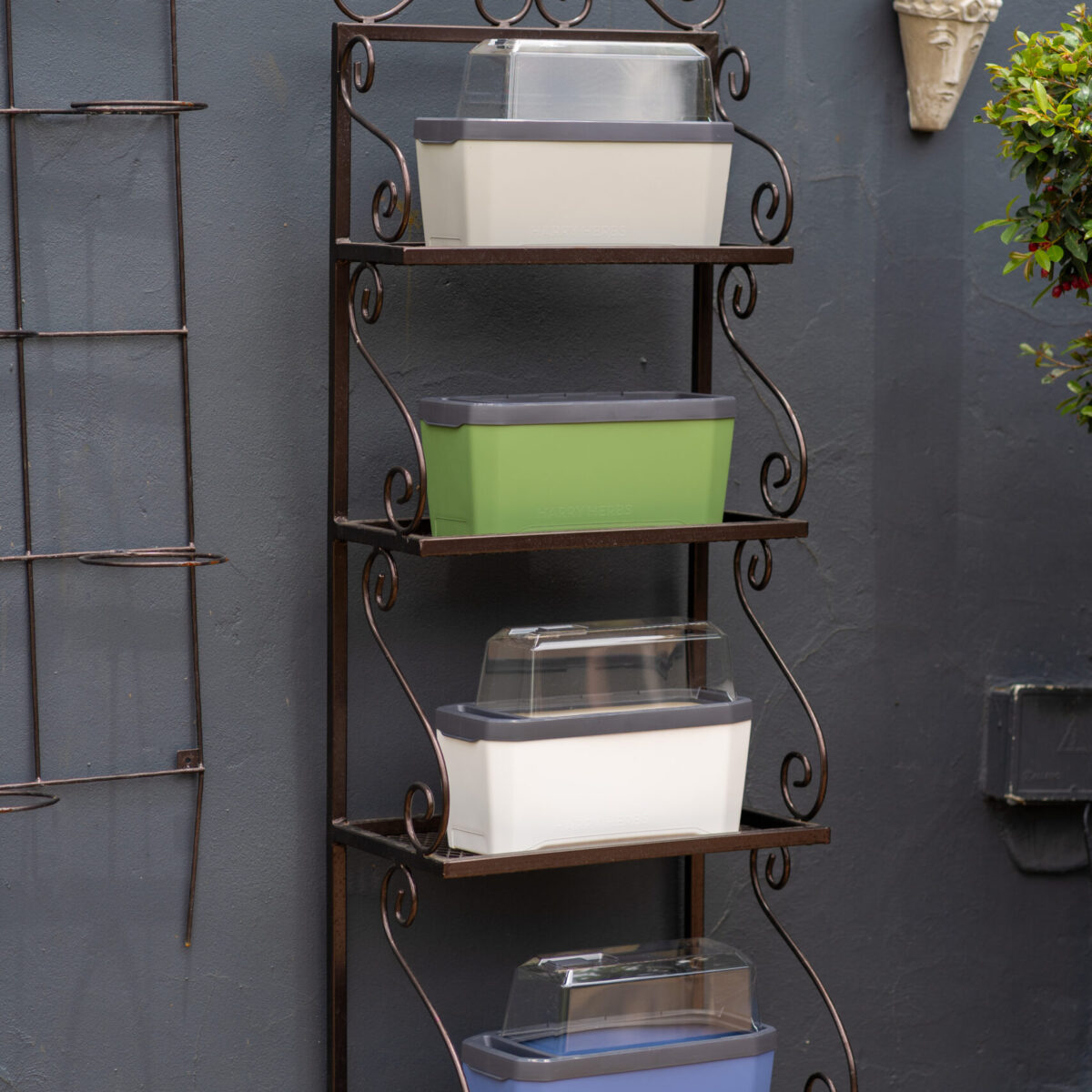
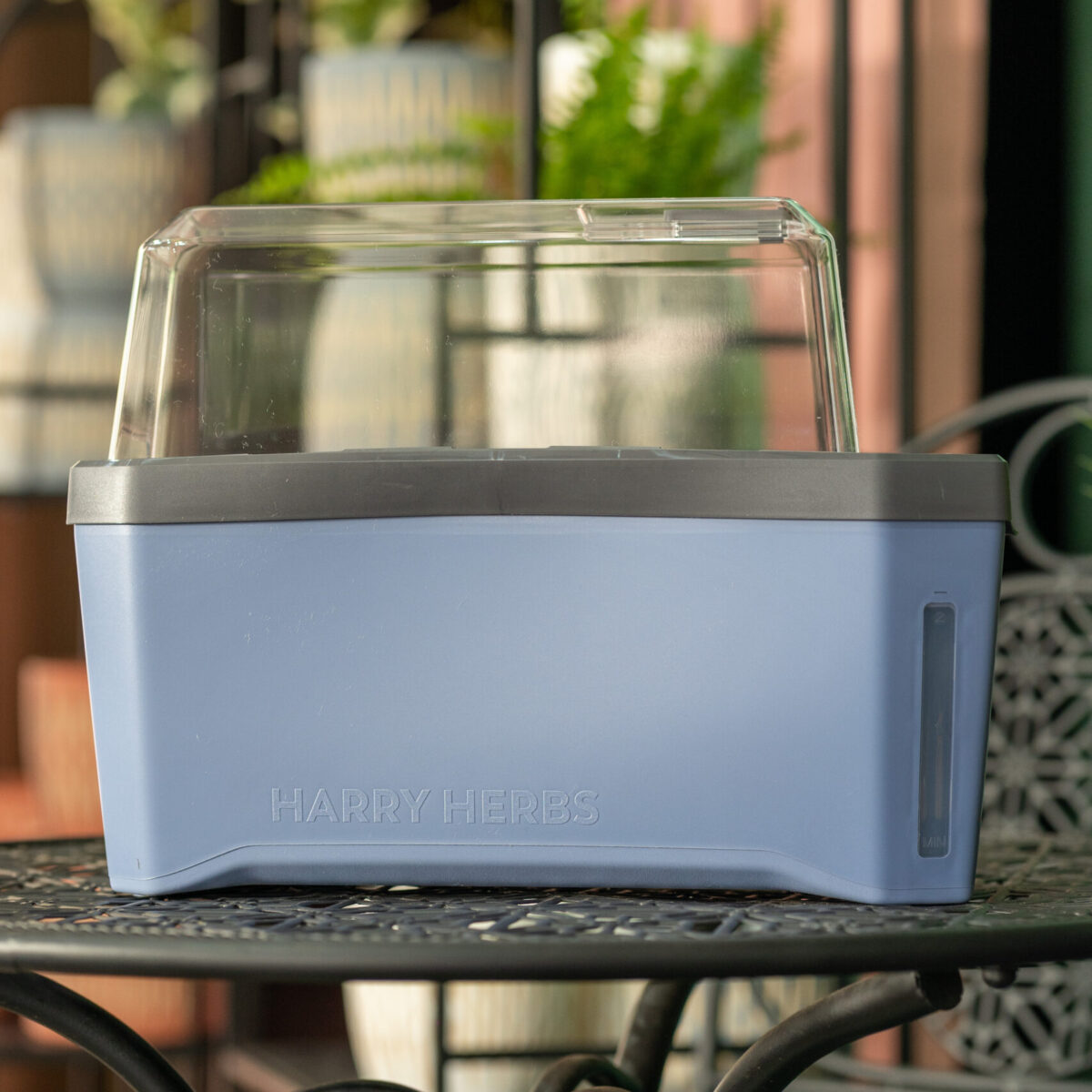
If you’re after ready-made systems designed for small space growing, the Gusta Range offers beautifully practical options — think vertical planters and compact growing systems that transform awkward spaces into productive gardens without demanding square footage.
Let it start small
So you begin with one surface. One spot that feels manageable.
You plant something.
You water it.
You watch.
You notice what responds, what struggles, what surprises you. Slowly (without forcing it), your space will change into something alive and personal.
If you’re working with a windowsill, a stoep, a balcony, a sunny wall, limited mobility, or very little confidence, that’s not the disadvantage you think it is.
It’s simply where you are.
And it’s more than enough to begin.