How To Store Your Harvest So It Doesn’t Go To Waste.
The timing gap between picking and eating is where most gardens fail. Here’s how to close it.
You grew something. It’s beautiful. It’s ripe. It’s ready.
And then, three days later, it’s a soggy regret in the back of your fridge.
The gap between harvest and table isn’t about luck. It’s about understanding what each vegetable needs to stay alive long enough for you to cook and eat it. Different vegetables want different things. Store them wrong, and you’re throwing away months of work.
The Basic Rule (Before We Get Specific)
Vegetables fall into two camps: ethylene producers (which speed up ripening and rot everything nearby) and ethylene sensitive (which hate being near the producers).
Keep them separate. That’s 80% of the problem solved.
Tomatoes (Black Krim, Brandywine, Cherry Mixed)
The problem: You pick them ripe. They rot fast. You panic and put them in the fridge. They lose all flavour and texture.
What they want: Room temperature, stem-side down, on a plate or shallow tray. Never stacked. Never in a plastic bag.
How long: 3–7 days at room temperature. Once they start softening noticeably, use them or freeze them.
RAW note: Heirloom tomatoes are softer and shorter-lived than commercial varieties (that’s the point). They’re meant to be eaten soon, not stored for weeks. Plan your cooking around the harvest, not the other way around.
Peppers (Scotch Bonnet, Carolina Reaper, Sweet Mini Bell)
The problem: They dry out and shrivel, or they rot from moisture.
What they want: Slightly cooler than room temperature (15–20°C ideally), in a paper bag with minimal moisture. If you must refrigerate, use the crisper drawer in a paper bag, not plastic.
How long: 2–3 weeks in the fridge. Room temperature: 1–2 weeks. Hot peppers last longer than sweet peppers.
RAW note: Hot peppers can be dried for storage. Hang them in a dry place for 2–4 weeks and they’ll keep for months. This is better for flavour development.
Leafy Greens (Kale Dinosaur, Lettuce varieties, Spinach Bloomsdale)
The problem: They wilt immediately, or they rot from moisture.
What they want: Cold, but not wet. Wash them, pat them dry, then wrap loosely in paper towel (not plastic). Store in the fridge’s crisper drawer.
How long: 5–10 days if stored dry. More if you’re religious about the paper towel.
RAW note: Don’t wash them until you’re ready to use them , moisture is the enemy. And Dinosaur kale lasts longer than delicate lettuces; plan accordingly.
Root Vegetables (Beet Chioggia, Carrot Parisian, Radish Watermelon)
The problem: They either dry out or rot, depending on storage conditions.
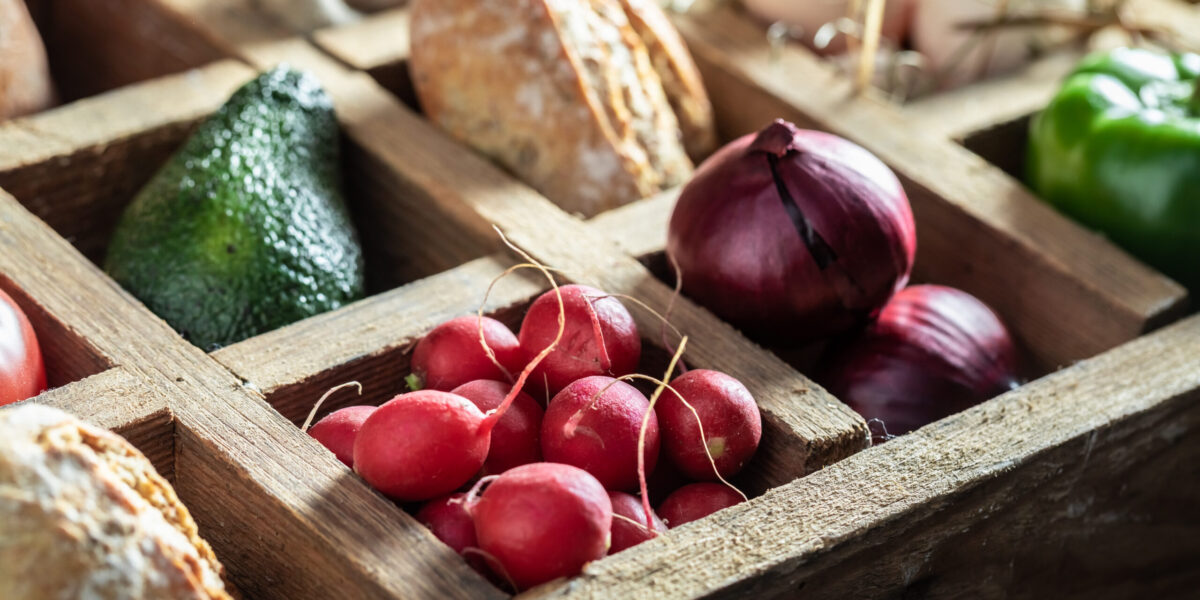
What they want: Cold (fridge), in a plastic bag with a slightly damp paper towel (not wet). Remove any greens before storing — they pull moisture from the root.
How long: 3–4 weeks in the fridge, sometimes longer. They’re the most forgiving vegetables you can grow.
RAW note: Keep Chioggia beets and other heirlooms whole if you’re storing them. The moment you cut them, they start oxidizing and deteriorating. Also: don’t peel them until cooking.
Cucumbers & Summer Squash (Zucchine Straito Italiano, Squash Summer Melody)
The problem: They’re ethylene-sensitive and rot quickly at cold temperatures.
What they want: NOT in the fridge (unless you’re desperate). Room temperature, in a cool, dark place. If you must refrigerate, don’t go below 10°C and store separately from ethylene producers (tomatoes, peppers).
How long: 3–5 days at room temperature. Less in the fridge.
RAW note: Eat these immediately after harvest. They’re not vegetables for storage, they’re vegetables for eating fresh.
Beans (Bean Cannellini Pole, Peas Tom Thumb)
The problem: They toughen and dry out quickly.
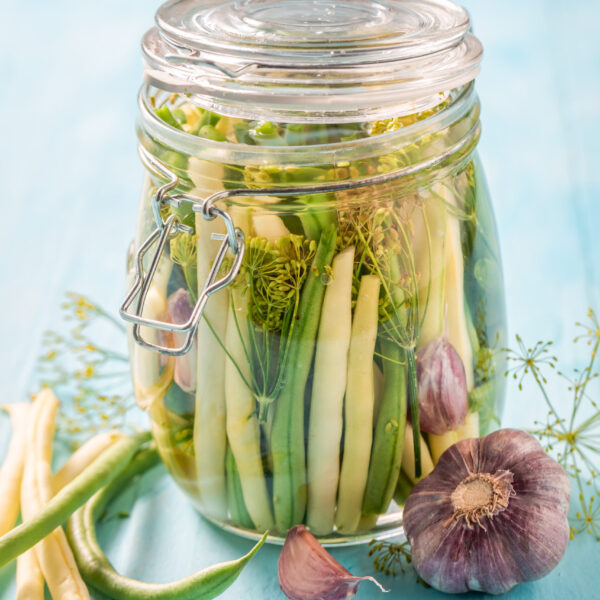
What they want: Cold and humid. Refrigerator crisper drawer in a plastic bag, but eat them within 3–5 days.
How long: 3–5 days, maximum. After that, cook them and freeze.
RAW note: Shell peas right before eating, they lose sweetness quickly once shelled. Pole beans are best eaten fresh, same day if possible.
Cruciferous Vegetables (Cauliflower Romanesco, Cabbage Savoy, Broccoli Raap)
The problem: They develop strong sulfur smells if stored wrong, or they dry out.
What they want: Cold and humid. Fridge crisper in a plastic bag. Store away from ethylene producers.
How long: 1–2 weeks, depending on how fresh they were at harvest.
RAW note: Romanesco is best eaten within a few days (it’s delicate). Cabbage lasts longer and can be stored outside the fridge in a cool place for weeks.
The Freezer Option (For Everything)
If you’re harvest-heavy and storage-light, blanch and freeze:
- Blanch: Boil for 2–3 minutes depending on size, then ice bath.
- Dry completely: Pat with paper towels.
- Freeze: On a tray first (so they don’t stick together), then in bags.
Lasts: 6–12 months.
RAW note: Frozen vegetables are fine for cooking. They’re not good for eating raw (texture dies). So freeze the overflow, use them for soups, sauces, and stews.
The Real Rule
Storage is about the 3–7 day window between harvest and table. Most vegetables will tell you when they’re done by getting soft, smelling off, or starting to shrivel. Learn to recognise that moment, and use them before it happens.
And if you’re consistently harvesting more than you can eat in that window, that’s a planting problem. Succession plant instead by sowing seeds every two weeks rather than all at once. Spread the harvest. Eat what you grow when it’s ready, not three months later.
That’s how the people who grew these heirloom varieties did it. They didn’t have freezers. They had timing, and they trusted it.