How To Keep Your Garden Alive When It’s 35°C.
It’s 35 degrees, the hose is hot enough to make tea, and your lettuce has given up and gone to seed out of sheer exhaustion. Welcome to a South African summer.
The good news is that most heat damage isn’t random. It’s fairly predictable, and mostly it comes down to three things: when you water, how you water, and what you’re growing in the first place. Get those right and your garden can ride out a heatwave without staging a dramatic collapse.
Water early, water deep, and stop watering the pavement
Watering at 2 p.m. feels productive. It isn’t. By the time the water reaches the roots, a good chunk of it has evaporated into the air, and the leaves you soaked are sitting in the sun like wet cling film.
Water in the early morning, before the day heats up. Aim for the soil, not the foliage, and soak thoroughly rather than giving everything a quick sprinkle. Shallow daily splashing trains roots to stay near the surface, where the heat hits hardest. Deep, less frequent watering pushes them down where the soil stays cooler and holds moisture for longer.
If you have to water in the evening, do it, but keep an eye out for fungal issues on anything that stays damp overnight.
Mulch is not optional
Bare soil in full summer sun is essentially a frying pan. A layer of mulch (straw, shredded leaves, dry grass clippings) keeps the soil cooler, slows evaporation, and stops weeds from stealing the water you’re so carefully delivering.
Keep mulch a few centimetres away from plant stems so you’re not inviting rot. Top it up as it breaks down. Kind of like sunscreen for your soil.
Shade cloth is your friend
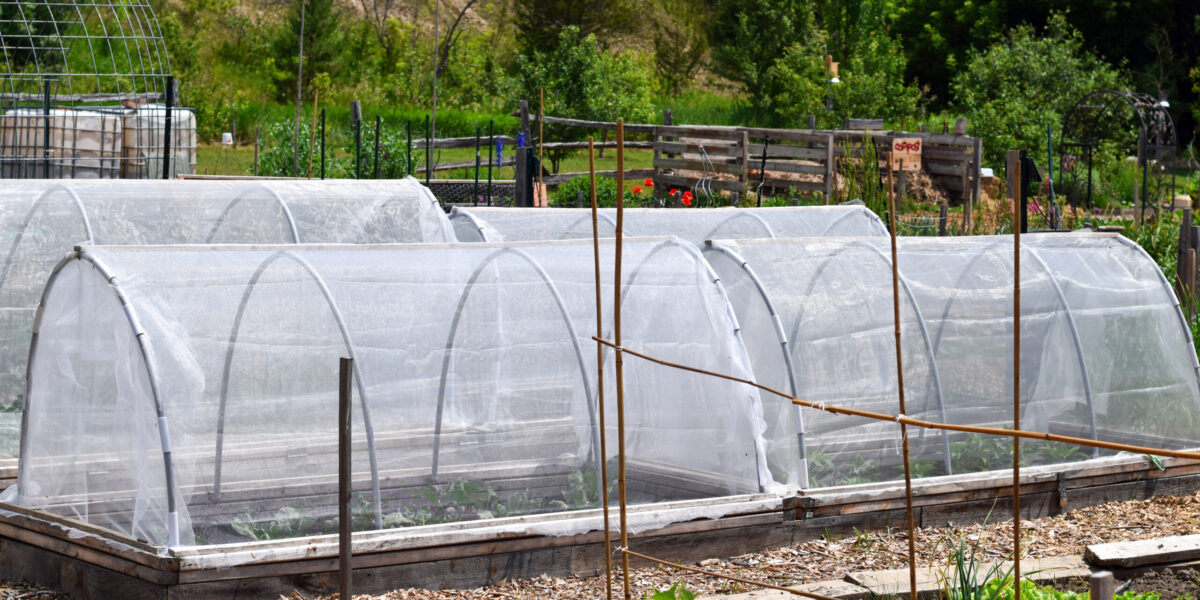
Full sun at 35°C is brutal for leafy crops and seedlings. A shade cloth in the 30 to 50 percent range takes the edge off the afternoon without starving your plants of light. It’s cheap, it’s reusable, and it’s the difference between a salad bed and kindling.
Position it so it covers the hottest part of the day, usually from late morning through the afternoon. Make sure it’s well anchored, because a shade cloth in a summer wind behaves like a sail with ambitions.
Grow things that enjoy the heat
This is the bit most people skip. You can fight the weather all summer, or you can plant what thrives in it. Every RAW seed is tested for South African climates, so the varieties in our range have already been put through their paces in local conditions.
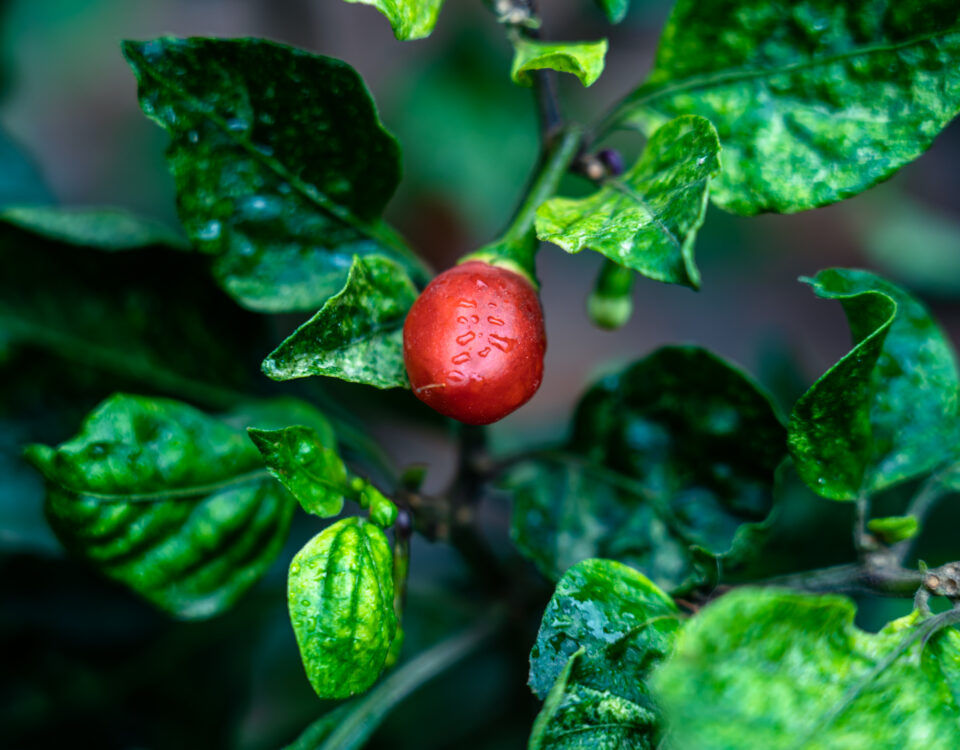
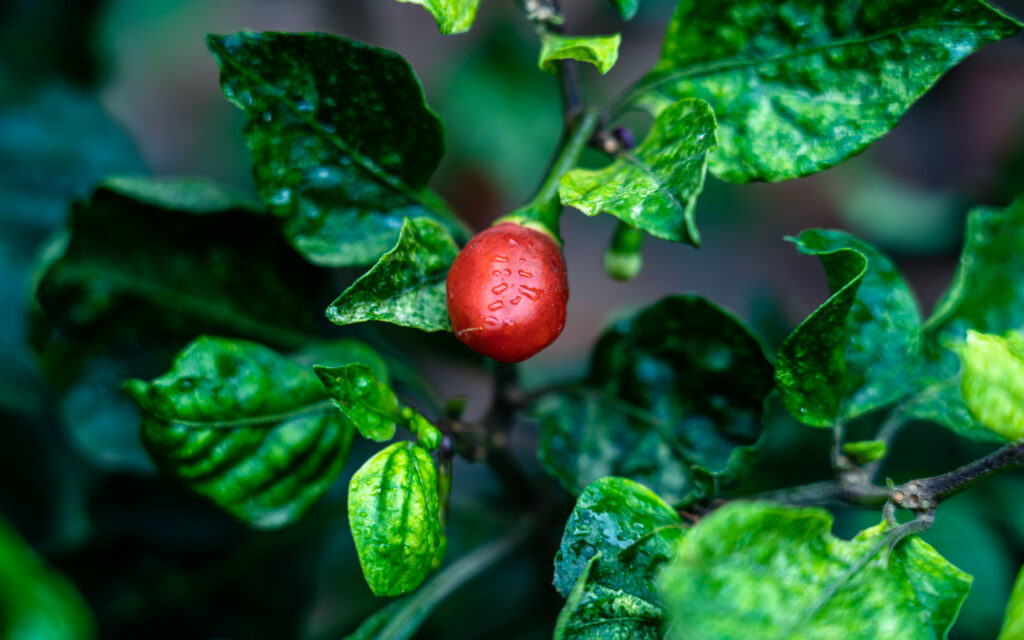
Okra loves heat. Clemson Spineless is a classic for a reason: it sails through summer and keeps producing as long as you keep picking. Eggplant Rosa Bianca is another summer favourite, happily soaking up the sun while cooler-season crops throw in the towel. Pepper Chilli Cubanelle handles the heat with a smile, and it’s a sweet, mild pepper for anyone who wants flavour without the fire. And Basil Culinary Blend loves a hot afternoon, though it will flower and bolt if you neglect it, so pinch it back regularly.
Lettuce, spinach, and brassicas are a different story. In 35°C they bolt, turn bitter, or simply stop trying. Sow them in autumn and early spring when they’re happy, and give summer to the plants that were built for it.
Don’t feed in a heatwave
It’s tempting to throw fertiliser at a struggling plant. Don’t. When the heat is high, plants are already stressed, and pushing fast new growth onto them just creates tender tissue that wilts faster. Hold off on feeding until temperatures ease, and focus on water and shade instead.
Harvest early and often
Pick in the cool of the morning, when produce is firm and full of water. Keep harvested vegetables out of the sun straight away, and get them into a cool spot. Regular picking also tells plants to keep producing, which matters a lot in a summer where the window is short.
The short version
Water early and deep. Mulch thickly. Use shade cloth through the hottest hours. Grow heat-happy crops. Skip the fertiliser until it cools down. And pick early.
Your garden just needs a bit of strategy and a lot less afternoon hosepipe enthusiasm.