


Fermented Garden: Growing Your Own Salsa & Pickle Ingredients
You’ve got tomatoes. You’ve got peppers. You’ve got basil. Now what?
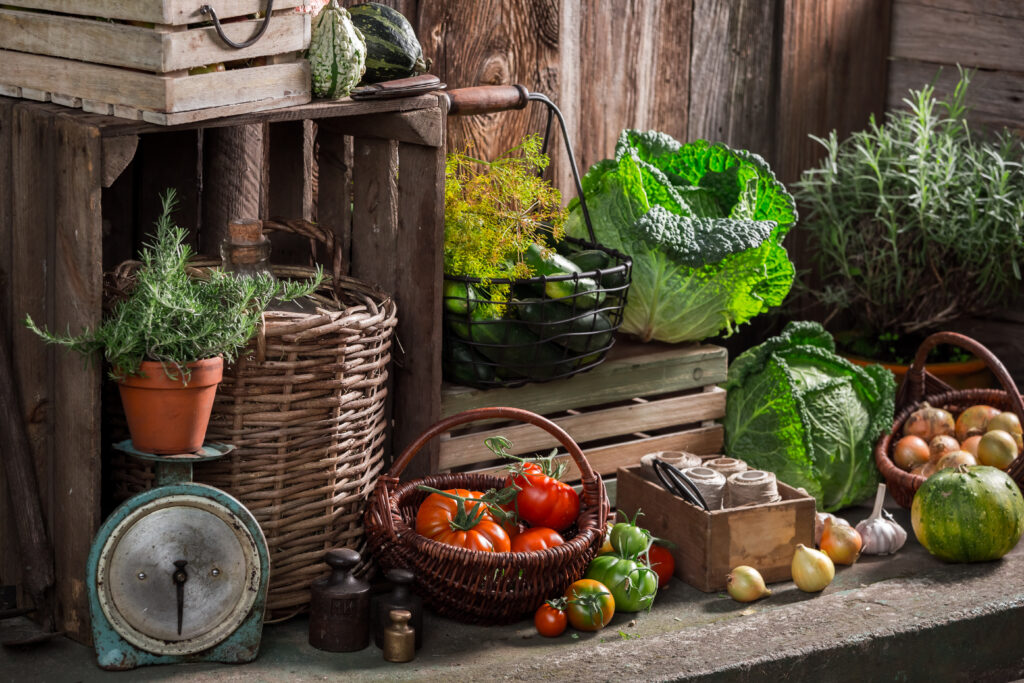
Instead of watching your beautiful harvest turn into sad fridge soup, you can turn it into fermented gold — hot sauces, salsa bases, crunchy pickles, and jars of colourful, shelf-stable goodness that taste like summer long after summer’s left the chat.
And the best part? You can grow almost everything you need from RAW seeds.
Let’s dig into why these crops are fermentation superstars, the science behind what actually happens in a jar, and how to start your own zero-fuss fermentation station at home.
The Surprisingly Geeky Science Behind Fermentation
Fermentation is what happens when lactic acid bacteria (the good kind) eat the natural sugars in your vegetables and release lactic acid, which:
- Preserves your food
- Deepens flavour
- Increases shelf life
- Creates natural probiotics
- Makes your veg taste more vivid and tangy
And here’s the part most supermarket shoppers never learn: Homegrown heirloom produce ferments better because it hasn’t been bred for shipping, storage, or uniformity. RAW varieties have more natural sugars, complex flavours, and — crucially — a richer microbiome on the skin, which kickstarts fermentation beautifully.
Fermentation loves imperfection. Nature rewards you.
Grow These RAW All-Stars for Fermentation
1. Tomatoes
Perfect for: salsa starters, ketchup ferments, tomato relishes
Why tomatoes are fermentation royalty:
- They contain glutamic acid, which naturally boosts umami as they ferment
- Their high natural sugar speeds up fermentation
- Their pH sits in a perfect zone for lactobacillus to thrive
- Heirloom tomatoes have more intricate flavour compounds than store-bought ones
Fun fact: Fermented tomato salsa becomes brighter in flavour after 48 hours. Kind of like the garden version of HDR.
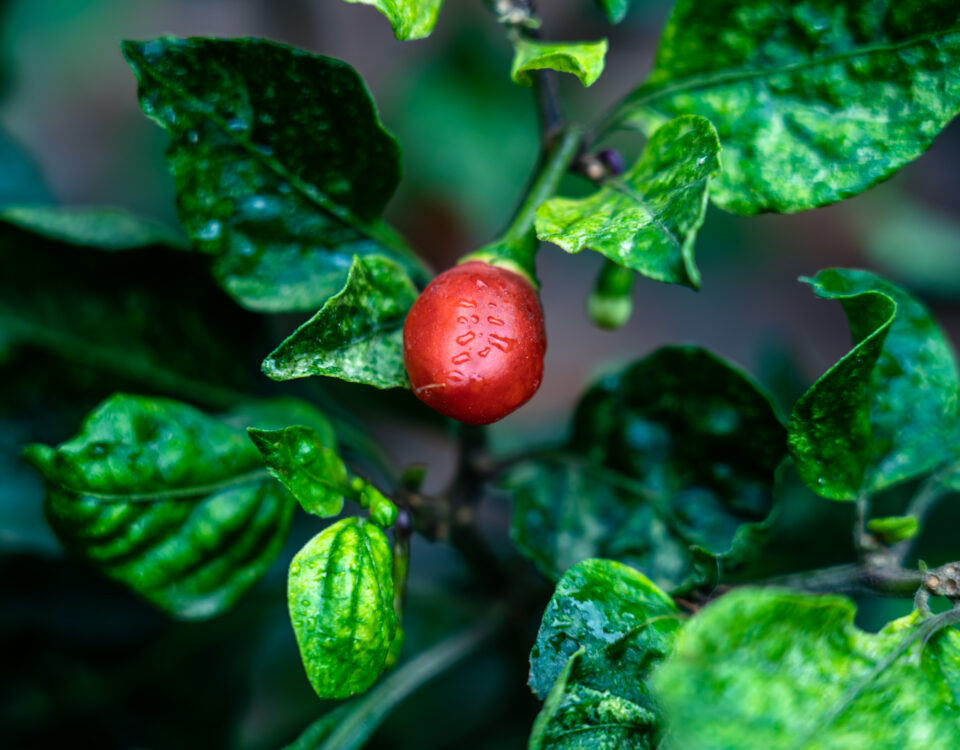
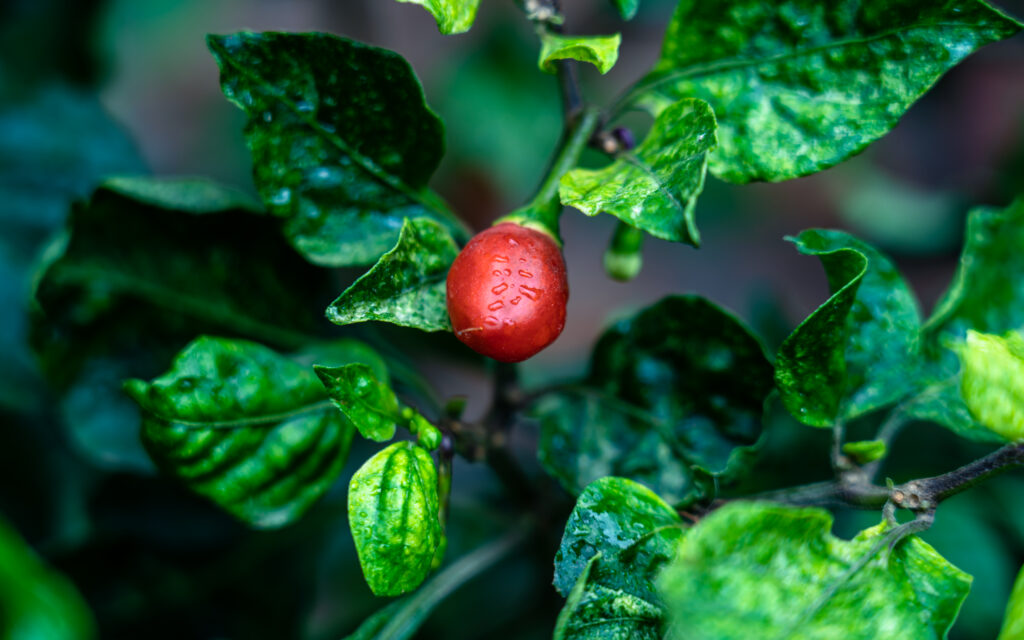
2. Peppers (mild to “I need milk”)
Perfect for: fermented hot sauce, pepper mash, spicy pickles
RAW varieties that shine here:
- Shishito Pepper – mild + smoky
- Chinese Five Colour Pepper – rainbow-hot
- Carolina Reaper / Trinidad Scorpion / Scotch Bonnet – for the seasoned thrill-seeker
Why peppers ferment beautifully:
- Capsaicin (the heat compound) becomes fruitier and more complex after fermentation
- Their thin walls break down evenly in brine
- Hot peppers encourage microbial activity without becoming mush
Science moment: When you ferment chillies, capsaicin binds with lactic acid, creating a smoother, rounder heat. That’s why fermented hot sauces feel fiery but oddly… elegant.
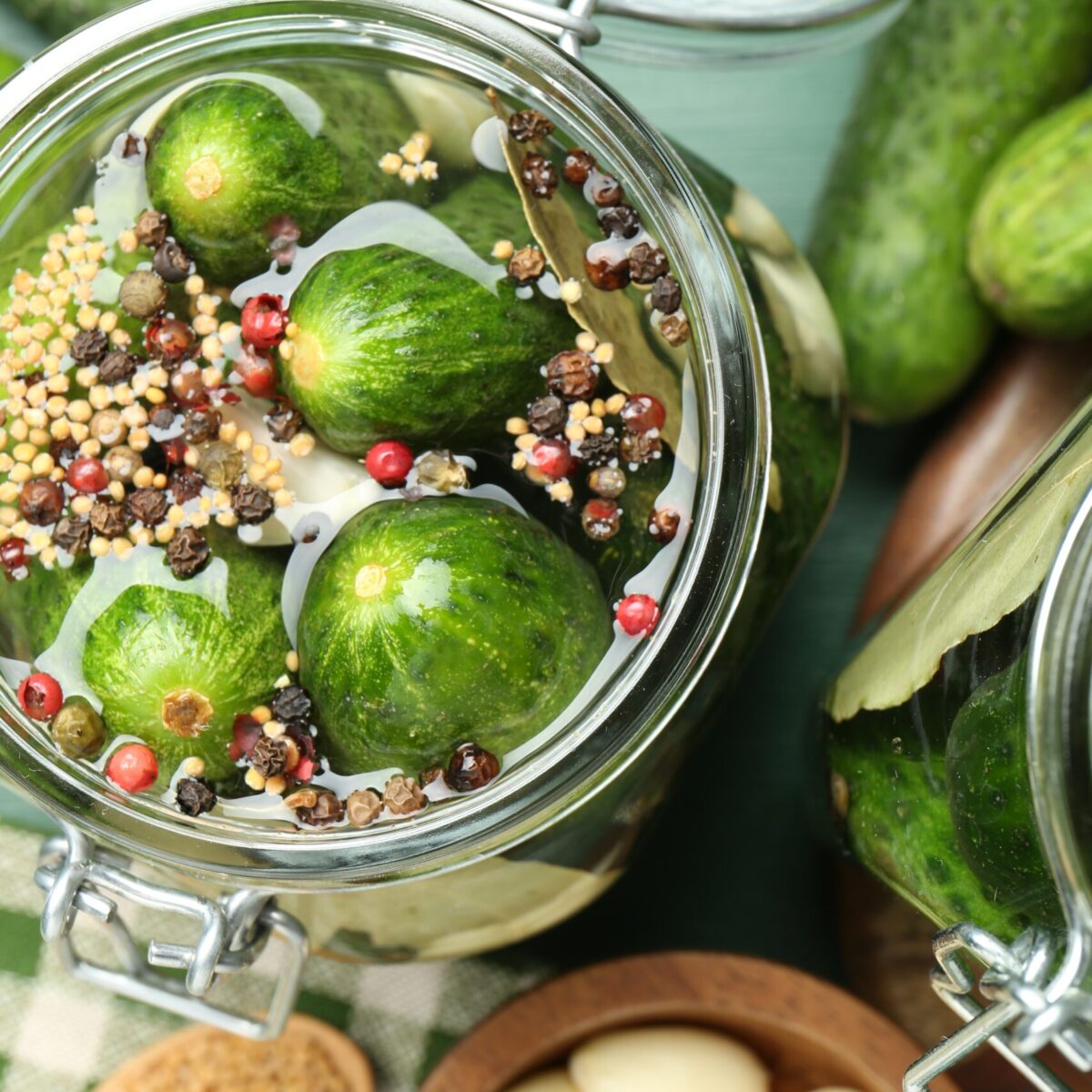
3. Cucumbers
Perfect for: classic crunchy fermented pickles
Why cucumbers stay crunchy:
- Their cell walls are rich in pectin, which holds structure during fermentation
- Brining dehydrates them slightly, concentrating crunch
- Soil-grown cucumbers (like your RAW ones) retain firmness better than hydroponic store-bought types
Pro tip: Use smaller cucumbers — they ferment faster and stay crisp longer.
4. Basil
Perfect for: bright herb ferments, salsa verde, aromatics
Why basil belongs in your ferment:
- Fermentation releases estragole, the compound responsible for basil’s sweet-spicy aroma
- It balances acidity in tomato-heavy ferments
- Basil flowers bring pollinators to your veg patch while you wait for harvest
RAW’s Basil Culinary Blend is ideal for complex, fragrant jars.
Optional Extras
- Garlic – Contains allicin, which becomes sweet and mellow when fermented
- Spring onions – Add brightness and mild acidity
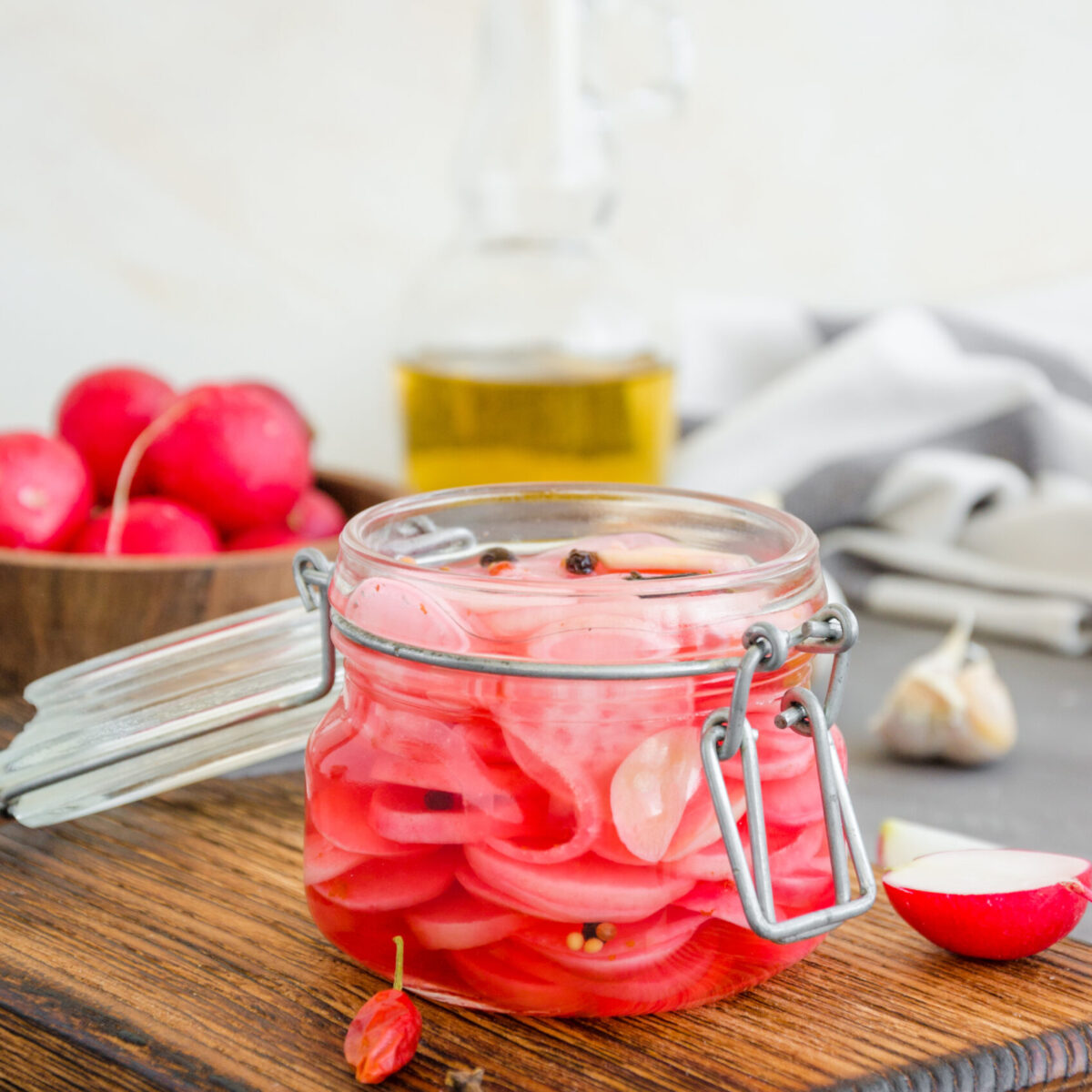
- Radishes – Especially Watermelon radish (anthocyanins = intense colours in brine)
So… What Actually Happens in the Jar?
Here’s fermentation in one sentence: Salt creates a spa for good microbes and a nightmare for bad ones.
When you add a 2% brine (20 g salt per 1 L water):
- Pathogenic bacteria can’t survive
- Lactobacillus thrives
- The brine pulls water out of the vegetables
- Sugars dissolve and become microbial food
- Lactic acid rises
- pH drops
- Preservation begins
Your jar becomes a tiny ecosystem — and you’re the landlord.
The Foolproof RAW Fermentation Method
- Chop veg (or leave whole for pickles).
- Mix a 2% salt solution.
- Pack veg tightly into a clean jar.
- Pour brine to cover everything completely.
- Weigh veg down (a leaf or a clean stone works!).
- Loosely seal.
- Leave at room temp for 5–10 days.
- Taste daily.
- Refrigerate when it reaches chef’s-kiss flavour.
Fermentation is done when you say it is.
Grow Now → Ferment Later (Your January Game Plan)
Plant these RAW varieties now for a summer harvest perfect for pickling and saucing:
- Tomatoes
- Shishito Pepper
- Chinese Five Colour Pepper
- Carolina Reaper / Trinidad Scorpion / Scotch Bonnet
- Cucumbers
- Basil (Culinary Blend or Lime)
Every one of these is a fermentation workhorse.
RAW varieties weren’t bred for supermarket sameness; they were bred for flavour, and fermentation amplifies every note.
Here’s to jars full of heirloom magic. And to never wasting a tomato again.


2 Comments
That’s a great idea to use garden abundance for fermentation. Wondering if different pepper varieties impact the fermentation process much?
Great question — and yes, a little, but not in a scary way. 🌶️
Different pepper varieties don’t really change whether fermentation happens (that’s mostly about salt, time, and friendly bacteria), but they do change the final vibe. Thicker-fleshed peppers ferment a bit slower and stay crunchier, thinner-skinned ones soften faster. Sugar levels affect flavour more than speed — sweeter peppers tend to ferment a touch more actively and round out nicely. Heat doesn’t stop fermentation either; super-hot chillies just bring more fire to the party.
The golden rule: keep your salt ratio right and everything submerged. After that, mix varieties freely — fermentation is very forgiving and loves abundance. 💚