Why Your RAW Veggies Look Spiky, Swirly, Lumpy, or Strange (And Why That Means You’re Winning)
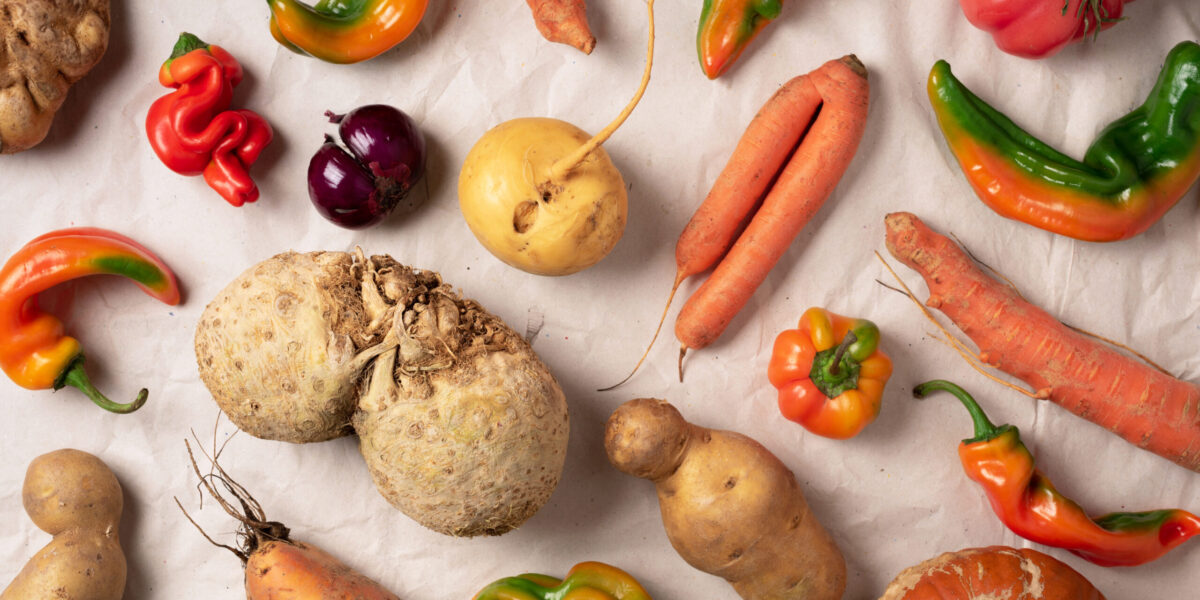
You grow your veggies. You water. You fuss. You stare lovingly at them every morning like a proud parent. And then — horror — your tomato sprouts a horn. Your radish looks like it’s hiding a sunset inside. Your squash has lumps that would make a dermatologist sweat.
Before you panic: this is all completely normal. In fact, even better, it’s a sign your heirloom veggies are doing exactly what they’re meant to do.
RAW seeds aren’t engineered to look identical on a supermarket shelf. They’re alive, genetically diverse, and full of surprises. So when they grow into something spiky, bumpy, swirly, or weird? That’s nature showing off.
Let’s break down the strange-but-beautiful quirks you might find in your RAW garden this summer.
Artisan Bumblebee Tomatoes: Stripes, Swirls, and the Occasional Demon Horn
If you’ve ever picked a Bumblebee Tomato and wondered if it was auditioning for a Marvel villain role… welcome to heirlooms.
Why they look wild:
- Bumblebee tomatoes are naturally striped thanks to their heirloom genetics.
- The “horns” or pointy tips? That’s called catfacing, a harmless growth quirk caused by cool nights, incomplete pollination, or just the tomato being dramatic.
The good news:
They still taste like pure sunshine. Weird shape ≠ bad tomato.
Watermelon Radish: The Pink-and-White Magic Trick
On the outside: pale and unassuming. On the inside: full fiesta.
Why the rings happen:
- Pigments called anthocyanins concentrate in the radish’s centre.
- Cooler temps intensify the pink.
- Warmer temps create more white (nature’s mood ring).
Fun fact:
The more “boring” the outside looks, the more dramatic the inside usually is.
Romanesco Cauliflower: Maths in Vegetable Form
If vegetables did geometry homework, Romanesco would get full marks.
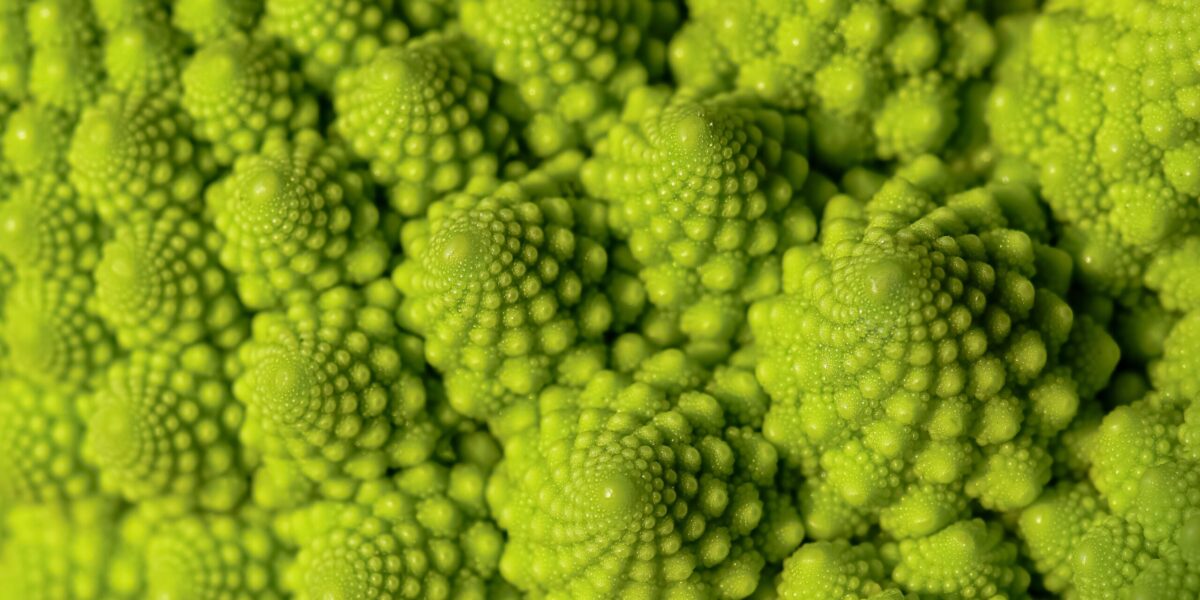
Why it looks like alien coral:
- Romanesco grows in a fractal pattern, where each tiny spiral is made of smaller spirals.
- It follows the Fibonacci sequence, which feels wildly scientific for something that tastes great roasted.
Translation:
It’s not weird. It’s genius.
Squash & Pumpkins: Lumps, Bumps, and “Is This Normal?” Shapes
Spoiler: yes, it’s normal.
Why they go lumpy or oddly shaped:
- Squash are sensitive queens when it comes to pollination. A half-pollinated flower = a half-developed squash.
- Sudden heatwaves cause bumps.
- Water fluctuations create ridges or bulges.
- Genetics does the rest, heirlooms are meant to be unique.
Does it affect flavour?
Not at all. In fact, the weird ones are often the tastiest.
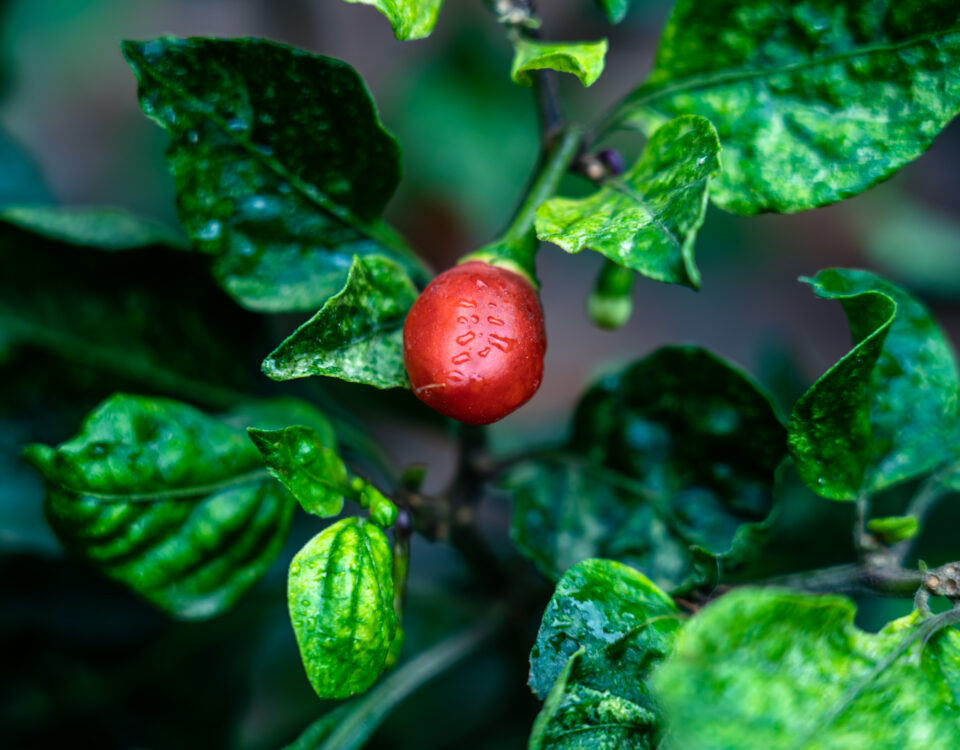
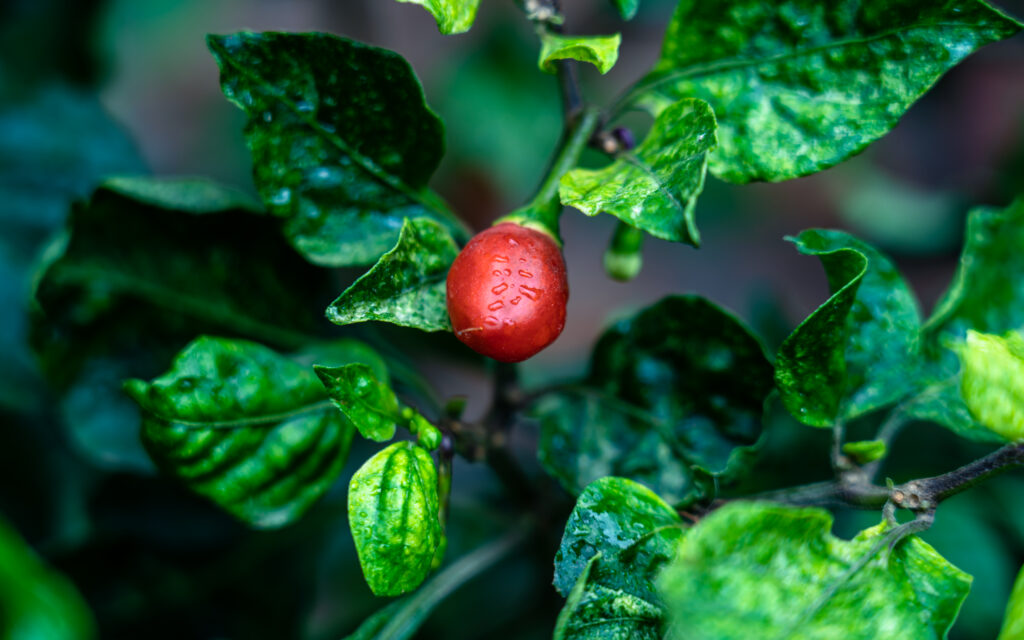
Carolina Reaper: Why the Wrinkles Mean Danger
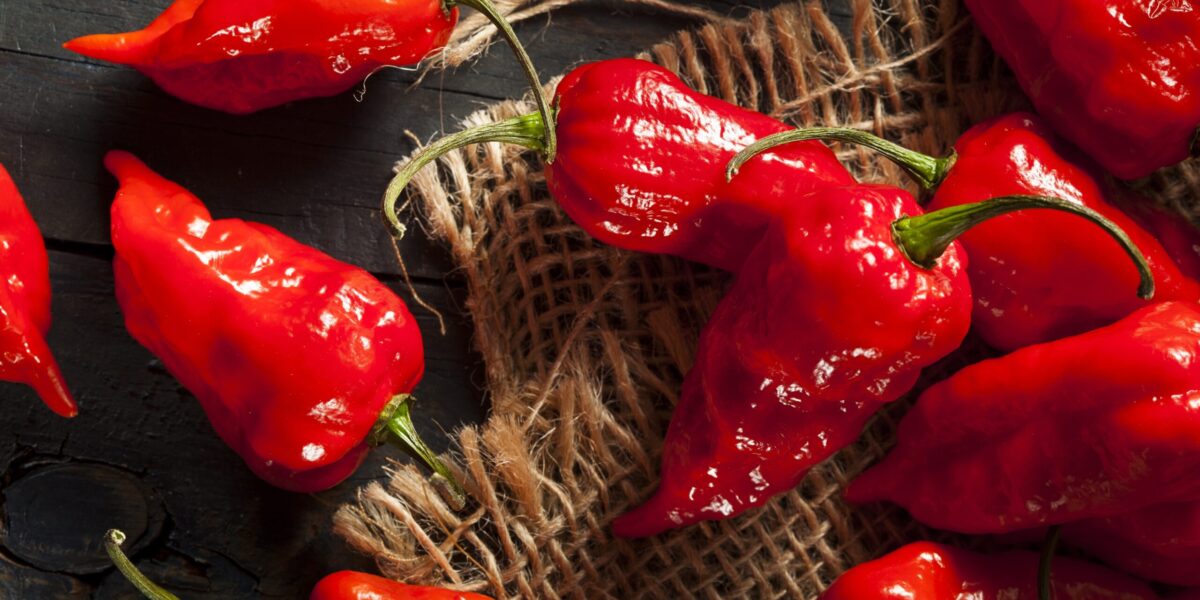
Some Reapers are smooth. Some look like angry goblins with tails. Either way, they want to hurt you (lovingly).
Why they get wrinkly and gnarly:
- The bumps and folds increase surface area, which often correlates with higher capsaicin concentration (the compound that brings the heat).
- Stress can increase the burn level. Reapers get spicier when they’re slightly “uncomfortable.” (Relatable.)
So if your reapers look a bit wicked?
Congratulations. They’re potent.
Eggplants: Why They Come in All Shapes and Shenanigans
From long slender Asian varieties to round Italian globes, eggplants are a genetically diverse bunch.
Why yours may look funny:
- High heat can curve or twist the fruit.
- Pollination quirks can cause bulges.
- Water stress creates odd shapes.
- Different heirloom varieties naturally look nothing like the Woolies version.
The RAW truth:
There is no “right” eggplant shape. Only tasty ones.
So Why Do RAW Veggies Look So… Theatrical?
Because they’re alive, unmodified, and grown from heirloom genetics that haven’t been engineered for perfect supermarket shapes.
They express personality. They reflect the environment. They show off their genes. They’re proof that your garden isn’t failing.
Uniform veg comes from factories.
Character comes from gardens.
So if your tomatoes have horns, your radishes glow pink, or your squash looks like it fell off a Dr. Seuss page?
You’re not doing anything wrong.
You’re gardening right.