


Eat What You Grow: 5 Winter Vegetables Worth Cooking From Scratch
Your winter garden is producing some of the best food you’re not cooking properly yet.
We know. You planted it, you harvested it, and then you did something sad with it. Boiled it into submission. Ate it raw out of obligation. Told yourself it was fine.
It wasn’t fine. It could have been excellent.
Here are five RAW winter varieties currently growing in patches across South Africa and exactly what to do with them once they’re in your kitchen. Not sad salads. Not sides that apologise for existing. Food you’d serve to someone you’re trying to impress.
Lettuce Gourmet Salad Blend: Stop apologising for salad.
The problem with most salads isn’t the lettuce. It’s the approach. You wash it, you tear it, you pour something from a bottle on it, and then you serve it as an afterthought next to the actual food.
The Gourmet Salad Blend — with its mix of textures, colours, and flavour profiles — deserves better than that. Here’s what to do instead.
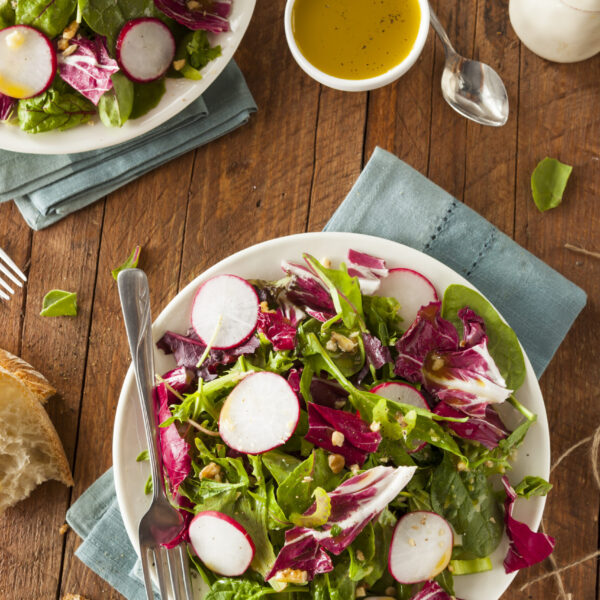
Make the dressing earn it. A proper vinaigrette is one part acid (red wine vinegar, lemon juice, or even a splash of something leftover from pickling), three parts good olive oil, a teaspoon of Dijon mustard, a small crush of garlic, salt, and pepper. Shake it in a jar. Taste it. Adjust it. Pour it over leaves that are completely dry (wet leaves repel dressing and ruin everything).
Add something warm. A handful of toasted nuts. A soft-boiled egg, still jammy in the middle. Slices of halloumi fried until golden. Pan-fried bacon lardons tossed in while still sizzling, fat and all, poured straight over the leaves so they wilt just slightly at the edges. That contrast — warm fat, cold crisp leaf — to die for.
Build it, don’t toss it. Lay the leaves out on a wide plate or board rather than piling them in a bowl. Add your toppings with intention. You’re composing something, not packing a lunchbox.
The Gourmet Salad Blend is cut-and-come-again. Harvest outer leaves, let the centre keep growing, and you’ll be doing this all winter.
Kale Vates Blue Curled: It needs a massage. Seriously.
Raw kale straight off the plant is tough, slightly bitter, and will not win you any friends. This is not the kale’s fault. You’re skipping the most important step.
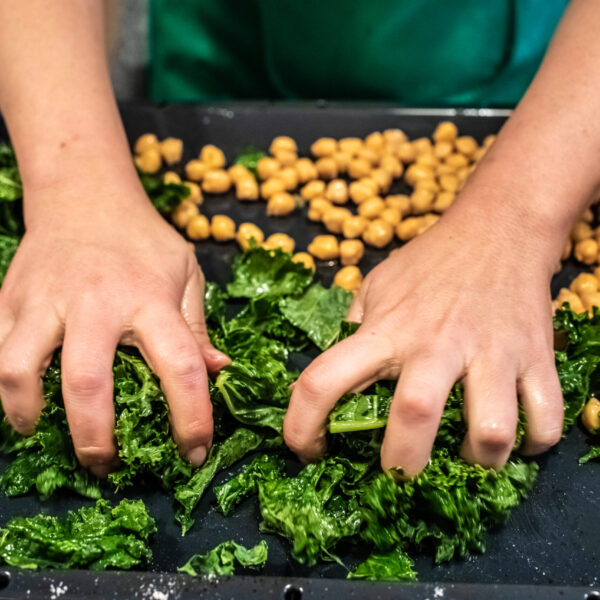
Massage it. Strip the leaves from the stems, tear or chop them roughly, add a generous pinch of flaky salt and a glug of olive oil, and then work it with your hands for about two minutes. You’ll feel the leaves soften and darken. The cell walls break down, the bitterness mellows, and what you’re left with is something tender, almost silky, with a flavour that’s rich and slightly nutty rather than aggressively green. This is the kale people mean when they say they like kale.
From there, you have options:
A massaged kale salad with roasted chickpeas, lemon zest, parmesan, and a tahini dressing is genuinely one of the best things you can eat in winter. Make extra. It keeps in the fridge for two days and gets better as it sits.
Sautéed in butter with garlic and a squeeze of lemon, piled onto sourdough toast with a fried egg on top — this is a weeknight dinner that takes twelve minutes and tastes like you tried.
Blended into a pasta sauce with pine nuts, parmesan, and enough pasta water to make it glossy equals a winter pesto that uses the whole leaf and feels nothing like eating your greens.
One more thing: Vates Blue Curled is cold-sweetened. The colder it gets, the more the plant converts its starches into sugar to protect itself. Which means every frost is essentially seasoning your harvest for you. Harvest after a cold night and taste the difference.
Cauliflower Romanesco: Roast it hard. Stop treating it like a vegetable.
Most people either boil Romanesco (wrong) or eat it raw in a crudité situation (a waste of everyone’s time). The correct answer is a very hot oven and a bit of patience.
Whole roasted Romanesco is the move. Trim the base so it sits flat. Rub it all over (every spiral, every crevice) with olive oil, salt, smoked paprika, and a little cumin. Place it upright in a roasting dish and roast at 220°C for 35–45 minutes until the outside is deeply caramelised and the centre gives when you press it. Serve it whole at the table. Watch people’s faces.
If you want a sauce: tahini loosened with lemon juice and a little cold water, drizzled over the top just before serving. Or brown butter, melted in a pan until it smells nutty and turns golden, then add a handful of capers and pour the whole thing over while it’s still sizzling.
For something faster: break it into florets, toss with olive oil, salt, and chilli flakes, and roast at 220°C for 20–25 minutes until the edges are charred and crispy. These are addictive. You will eat them off the tray before they reach the plate.
The key with Romanesco, or with any cauliflower, really, is heat and confidence. It doesn’t go mushy when roasted properly. It caramelises and gets nutty.
Beet Red & Gold: Keep them apart. At least at first.
The Red and Gold Blend gives you two very different beets. Deep-red Detroit Dark — earthy, bold, with that distinctive beetroot sweetness. And honey-toned Golden Detroit — milder, slightly more delicate, and crucially, it won’t bleed all over everything else on the plate.
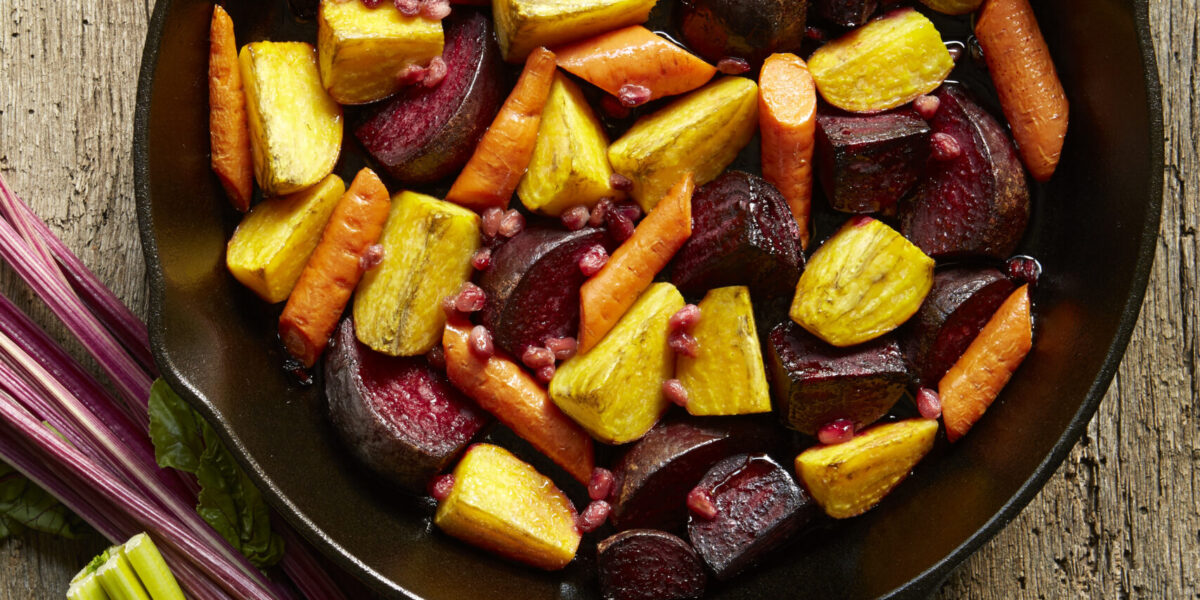
Roast them separately. Wrap them individually in foil (or just in a roasting dish with a splash of water and a lid) and roast at 180°C for 45–60 minutes depending on size, until a skewer goes through without resistance. Let them cool slightly, then rub the skins off with a cloth. They’ll come away easily.
Once roasted, you can bring them together on the plate. Slice or quarter them, arrange them alternating or side by side, and finish with:
- Good olive oil, flaky salt, and fresh thyme
- Crumbled feta or soft goat’s cheese, toasted walnuts, and a drizzle of honey
- A sharp dressing — red wine vinegar, Dijon, a little orange zest — that cuts through the sweetness
Raw is also an option. Golden beets especially are excellent grated raw into a salad. They’re sweet, crisp, and they don’t turn your entire salad pink. Use a mandoline or a box grater, dress immediately with lemon juice to prevent browning, and treat them like a slightly more interesting carrot.
Don’t throw the tops away. Beet leaves are edible, nutritious, and taste somewhere between spinach and silverbeet. Sauté them in garlic and olive oil, add them to eggs in the morning, or wilt them into pasta.
Micro Greens Rainbow Mix: The finishing move that makes everything look expensive.
Micro Greens are not a main ingredient. They are a finishing move. And once you understand that, you’ll use them on almost everything.
Scatter them over a bowl of soup just before serving. Pile them onto avocado toast with a crack of black pepper and flaky salt. Fold them through scrambled eggs in the last ten seconds of cooking, off the heat, so they wilt just slightly and add colour and a peppery bite. Lay them over a pizza that just came out of the oven. Use them to top a grain bowl, a frittata, or a plate of roasted vegetables that needs a little life.
The Rainbow Mix brings sweet, earthy, and slightly spicy notes depending on which greens you’re landing on, the variety in the mix means no two spoonfuls taste exactly the same, which is kind of the point.
The important bit: don’t cook them. Add them at the very end, after the heat is off. They’re delicate. They wilt fast. Their job is contrast; a fresh, bright note on top of something warm and rich.
Grow them on a sunny windowsill year-round. Scatter seed on damp soil, keep moist, and harvest in 10–15 days with scissors. That’s the whole operation. Grow a fresh tray every two weeks and you’ll always have them on hand.
One last thing.
None of this requires culinary school, a fancy kitchen, or a lot of time. It requires seeds, some patience, and a willingness to treat what you’ve grown with the same care you put into growing it.
Your garden is already doing the hard part. All you have to do is not ruin it once it gets inside.
Heirloom. Non-GMO. Grown for flavour, not shelf life.





1 Comment
whoah this blog is magnificent i love reading your posts. Keep up the great work! You know, a lot of people are searching around for this information, you could help them greatly.